 How-to
How to Verify Contractor Insurance Before You Hire
Last Updated: November 15, 2026
Quick Summary
To verify contractor insurance, confirm the certificate's details directly with the insurer using contact information you look up yourself, not the phone number printed on the certificate. Call the agent or company with the policy number and named insured, and ask whether the policy is active, what the limits are, and whether it covers your project through its finish date.
- A contractor should carry general liability and workers' compensation insurance before starting any work.
- The named insured on the certificate must match the legal business name on your contract, including the entity suffix.
- The policy expiration date must fall past your project finish date, not just cover today.
- Ask the agent to send an updated certificate directly so you know it came from the insurer.
- If the insurer cannot confirm the policy, treat the coverage as absent and pause the project.
Table of Contents
- Why Contractor Insurance Protects You, Not Just the Contractor
- What Insurance Should a Contractor Have Before Starting Work
- How to Ask a Contractor for Proof of Insurance Without Awkwardness
- How to Read a Contractor Certificate of Insurance Sample Field by Field
- How to Verify Contractor Insurance Online and With the Insurer
- When Verification Fails: Expired Policies, Missing Endorsements, and Subcontractors
- Requesting Proof of Insurance From Fraley's Home Improvement
- Frequently Asked Questions
Why Contractor Insurance Protects You, Not Just the Contractor
Learning how to verify contractor insurance is the single most valuable ten minutes you will spend before hiring anyone to work on your home. Most homeowners assume a contractor's insurance is there to protect the contractor. It is not. It protects your house, your savings, and your legal standing if something goes wrong on the job site.
The paperwork you check before signing can help prevent that kind of outcome.
The uncomfortable truth most guides skip: a contractor's insurance is your financial shield, not theirs. If their policy is lapsed or too thin, the claim lands on your homeowner's policy or your bank account. Below, we break down what to request, how to read it, and how to confirm it with the insurer.
What Happens When an Uninsured Crew Damages Your Home
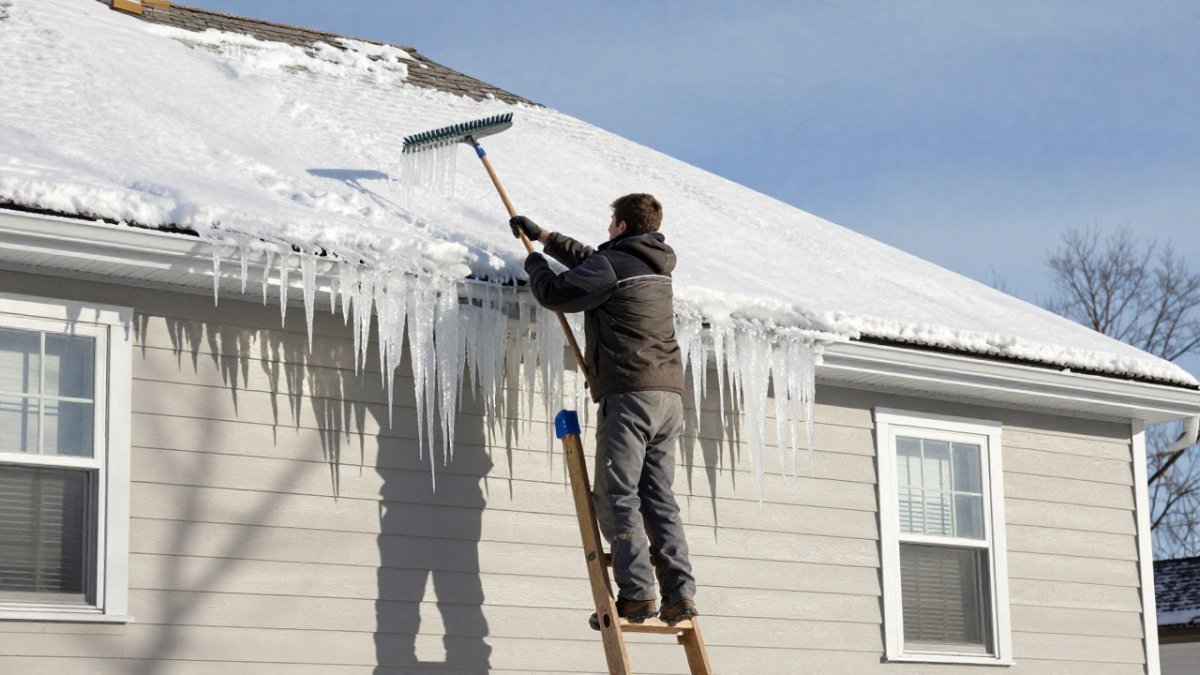
When an uninsured crew damages your property, your own homeowner's policy often becomes the fallback. That means a deductible you pay, a claim on your record, and possibly a premium increase at renewal.
Many contractors will try to "make it right." But without a general liability policy, there is no insurer to fund the repair, you are negotiating with a small business owner's cash flow.
- Damage to your roof, siding, or windows may fall to your policy
- Your deductible comes out of your pocket first
- A claim can follow your property for years
Your Liability When a Worker Is Hurt on Your Property
If an uninsured worker is injured on your property, medical bills and lost wages can become a liability question, and homeowners are sometimes pulled into it.
Workers' compensation coverage is what prevents this. It pays for a worker's job-related injury regardless of fault, so the claim does not land on you.
The bottom line: verify coverage before anyone climbs a ladder on your property.
What Insurance Should a Contractor Have Before Starting Work
A contractor should carry at least two core policies before starting work: general liability insurance and workers' compensation insurance. General liability covers damage to your property and injuries to others. Workers' compensation covers injuries to the contractor's own crew.
Those two are the foundation. Depending on the trade and project, you may also see commercial auto coverage and, for larger jobs, an umbrella policy. If a contractor cannot show general liability and workers' comp, stop there.
General Liability and Workers' Compensation Explained
General liability insurance is a policy that pays for third-party bodily injury and property damage caused by the contractor's work.
Workers' compensation insurance is a policy that pays medical costs and lost wages for a contractor's employees hurt on the job.
- General liability: protects your property and visitors
- Workers' compensation: protects the crew and limits your exposure
- Both should be active for the full length of your project
Ask for the coverage limits on each. A policy with very low limits may not cover a serious claim.
How to Ask a Contractor for Proof of Insurance Without Awkwardness
Asking for proof of insurance should feel routine, not rude.
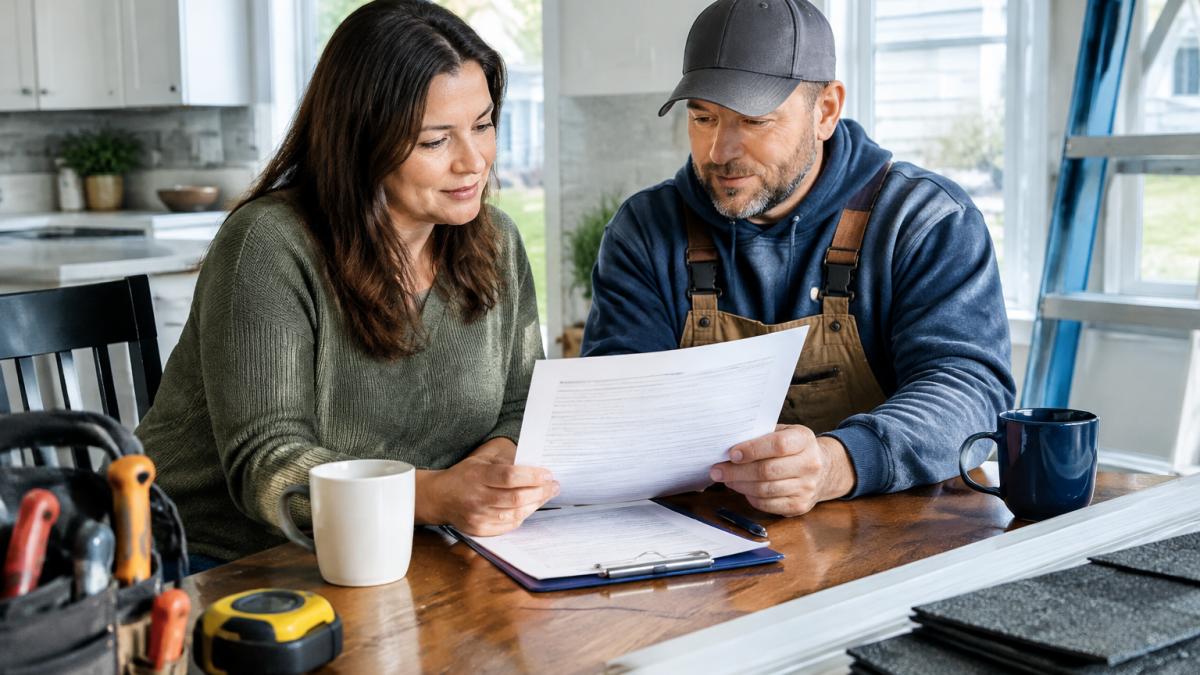
A simple script works: "Before we go further, can you send your certificate of insurance so I can keep it with the contract?" Good contractors hear this every week.
If a contractor hesitates or dodges, treat that as information. A contractor with real coverage is typically used to the question.
For a broader view of what to look for in a hire, see our guide on how to choose a roof replacement contractor.
How to Read a Contractor Certificate of Insurance Sample Field by Field
A contractor certificate of insurance sample is a one-page summary, usually an ACORD 25 form, listing the contractor's policies, limits, and dates. It is not the policy itself, just a snapshot the insurer or agent issues. Learn to read it field by field and you will spot problems before they cost you.
Here is what each field tells you, and what to watch for:
| Field | What It Tells You | What to Watch For |
|---|---|---|
| Producer | The agent or broker who issued the certificate | Contact this office to confirm the policy |
| Insured / Named insured | The business the policy covers | Must match the contractor's legal business name on your contract |
| Insurer(s) | The company actually backing the policy | Use the full legal insurer name, not a trade name, for verification |
| Policy number | The identifier for that policy | Needed for insurer verification |
| Policy effective date | When coverage began | Should be on or before your project start |
| Policy expiration date | When coverage ends | Must cover your entire project timeline |
| Coverage type (GL, WC, auto) | Which policy the line refers to | Confirm both general liability and workers' comp appear |
| Each occurrence / aggregate limits | The most the policy will pay per claim and per policy period | Too-low limits leave a gap you absorb |
| Certificate holder | The party the certificate is issued to | Should be you or your business, not a prior client |
| Description of operations | Notes about the project or location | Look for project-specific wording and endorsements |
| Cancellation notice | Whether the insurer will notify you if the policy cancels | Absence of this language means you may never learn of a lapse |
Matching the Named Insured, Dates, and Coverage Limits
The named insured is the field most people skip, and it matters most. If the certificate lists "J.
Next, check the dates. An active policy today can expire next month. If your roof replacement runs six weeks, the expiration date must sit past the finish line, compare both dates against your project start and finish.
Then review the coverage limits. A general liability policy with a very low limit may not cover a serious property damage claim.
Reading Exclusions and the Difference Between a Certificate and a Policy
A certificate is a summary, not a contract. The policy itself contains the exclusions, situations the insurer will not pay for. Common general liability exclusions include damage to the contractor's own work, damage to property in the contractor's care, and certain residential or high-risk work unless added by endorsement.
Watch out: a certificate that shows a policy number and limits proves only that the document was issued, not that the policy is still in force or that it covers your specific job.
Checking Project-Specific Coverage and Endorsements
A general liability policy is written for the contractor's business as a whole; your project may need more. Look for a description of operations naming your project or address, and ask whether the policy includes endorsements for your type of work.
If you are also watching your budget, our breakdown of contractor hidden fees to avoid pairs well with this paperwork review.
How to Verify Contractor Insurance Online and With the Insurer
The certificate is a summary, and summaries can be edited. To truly verify contractor insurance, confirm the details directly with the insurance company using contact information you find yourself, not just the phone number printed on the certificate.
Follow these steps:
- Find the insurer's official contact details independently. Use the insurer's own website or the state department of insurance lookup tool rather than relying only on the number on the certificate.
- Call the agent or company and give them the policy number and the named insured exactly as they appear on the certificate.
- Ask whether the policy is active on the date you are calling and what the limits are.
- Confirm the effective and expiration dates, and ask whether the policy will remain active through your project finish date.
- Ask whether your project type, location, and any subcontractors are covered, and whether the policy includes the endorsements your contract requires.
- Ask the agent to send you a updated certificate directly, so you know it came from the insurer and not from the contractor.
Many states also offer a contractor registration or license lookup online. A state contractor license lookup resource can help you find the right agency for your state.
Finding the Insurer's Contact Details on Your Own
The phone number on a certificate can be altered along with the rest of the document. Look up the insurer by its full legal name on the state department of insurance website or the insurer's own site, and call the number listed there. If the certificate names a producer or agent, look that agency up independently too. When the number you find matches the certificate, you have a stronger signal the document is genuine.
Confirming Project-Specific Coverage and Endorsements
A policy can be active and still not cover your job. Ask the agent whether the policy covers your specific trade and project type, whether the work location is covered, and whether subcontractors will be used and insured. If your contract requires additional-insured status or a waiver of subrogation, confirm those endorsements exist on the policy, not just in your agreement, and ask the agent to email an updated certificate showing them.
What to Do When Verification Fails
- Expired policy: Ask for the renewal certificate and confirm the new dates with the insurer before any work begins.
- Mismatched named insured: Ask the contractor to explain the entity structure and provide a certificate that names the entity on your contract.
- Unverifiable policy: If the insurer cannot confirm the policy, treat the coverage as absent and pause the project.
Watch out: a contractor who says "my guys are covered" without paperwork is telling you nothing. Get the certificate, confirm it with the insurer, and if the contractor cannot or will not provide current proof, walk away. No project is worth the risk of an uninsured crew on your property.
For context on why accountability matters in a hire, read our guide on why choose family operated contractors.
When Verification Fails: Expired Policies, Missing Endorsements, and Subcontractors
For context on why accountability matters in a hire, read our guide on why choose family operated contractors.
Requesting Proof of Insurance From Fraley's Home Improvement
Requesting proof of insurance from us is simple, and we expect you to ask. We are a family-operated business with over 55 years of experience. Transparent paperwork is part of how we work.
Verifying a contractor's insurance takes a few phone calls and a careful read of one document. Get started with Fraley's Home Improvement and hire with confidence, knowing your home is protected before the first nail goes in. Get a free estimate to begin.
Frequently Asked Questions
How do I verify a contractor's insurance is actually active?
Ask for a certificate of insurance, then call the insurance company listed on it using a number you look up yourself, not one the contractor provides. Give the agent the policy number and named insured, and ask whether the policy is active, its effective and expiration dates, and its coverage limits. A current certificate can still reflect a policy that was cancelled or lapsed, so the phone call is the step that confirms what the paperwork claims.
Can I verify contractor insurance online?
Sometimes. Many large carriers offer online policy verification or agent lookup tools, and some states publish contractor registration or license records that list insurance status. Start with your state's contractor licensing or registration database, then confirm the policy directly with the carrier. Online records can lag behind cancellations, so treat them as a first check and follow up with a phone call to the insurer before you sign anything.
What should a contractor's certificate of insurance show?
Look for the named insured matching the business you hired, the policy number, effective and expiration dates that cover your project dates, general liability limits, workers' compensation coverage, and the insurer's contact information. If your project involves subcontractors, ask whether they carry their own coverage. Request that you be listed as an additional insured on the general liability policy for larger projects so a claim tied to your property is covered.
What should I do if a contractor's insurance has expired?
Do not sign a contract or allow work to start. Ask the contractor for a current certificate showing an active policy and confirm it with the insurer. If the policy lapsed or the contractor cannot produce proof, treat that as a serious warning sign. An uninsured crew working on your roof or siding puts your home and your savings at risk, and your homeowner policy may not cover damage caused by an uninsured contractor's workers.