 how-to
7 Contractor Hidden Fees to Avoid on Your Home Project
Last Updated: October 25, 2026
Quick Summary
To avoid contractor hidden fees, demand a written bid that itemizes the full scope of work, materials and labor, permit fees, debris disposal, and allowances with dollar amounts. Tie payments to completed milestones and require a signed change order before any extra work or charge is approved.
- A bid is an estimate built on assumptions, not a fixed price, so vague scope leaves room for extra charges.
- Ask every bidder to submit the same scope in the same format so line items, not the lowest number, decide.
- Ask three questions about every allowance: what it assumes, who selects, and what happens if you go over.
- A safe payment schedule uses a small deposit, milestone progress payments, and a holdback until punch-list items finish.
- Pay only the undisputed portion of an invoice and put your challenge in writing with a response deadline.
Table of Contents
- Why Contractor Hidden Fees Show Up on Nearly Every Bid
- The Contractor Estimate Checklist That Exposes Hidden Fees Before You Sign
- Questions to Ask a Contractor Before Hiring That Reveal Hidden Costs
- How the Contractor Change Order Process Can Protect You from Surprise Charges
- The Contractor Payment Schedule That Keeps Your Money Safe
- How to Audit an Invoice and Challenge Questionable Charges
- Get a Free, No-Pressure Estimate from Fraley's Home Improvement
- Frequently Asked Questions
Why Contractor Hidden Fees Show Up on Nearly Every Bid
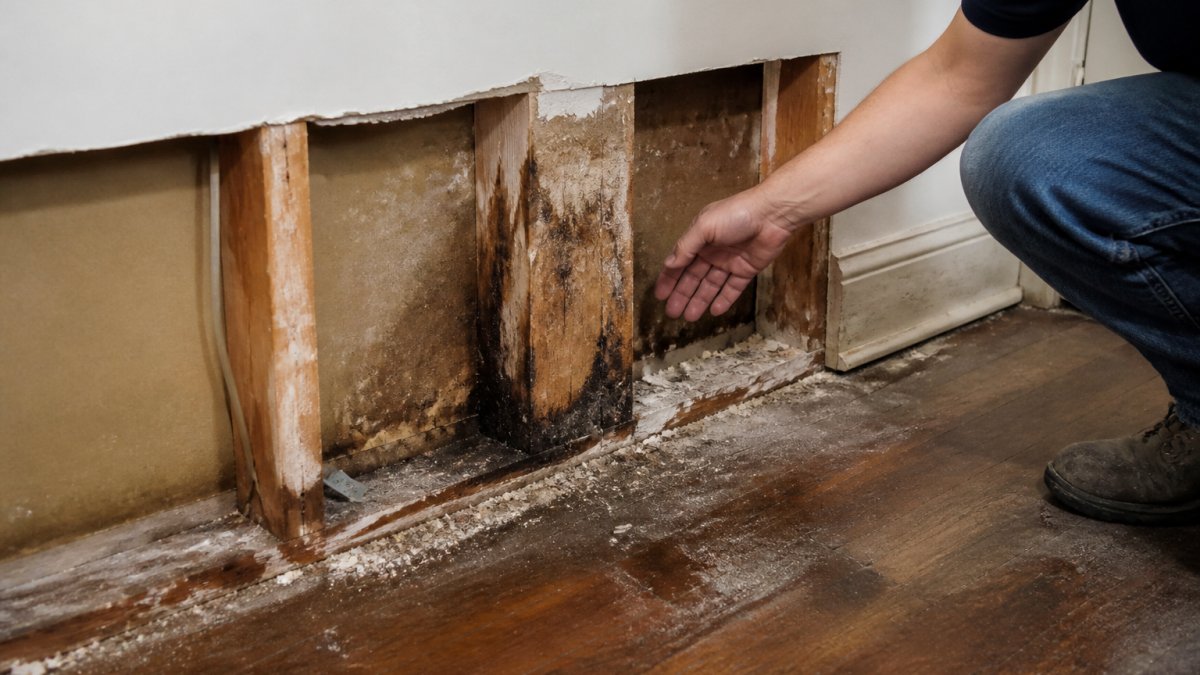
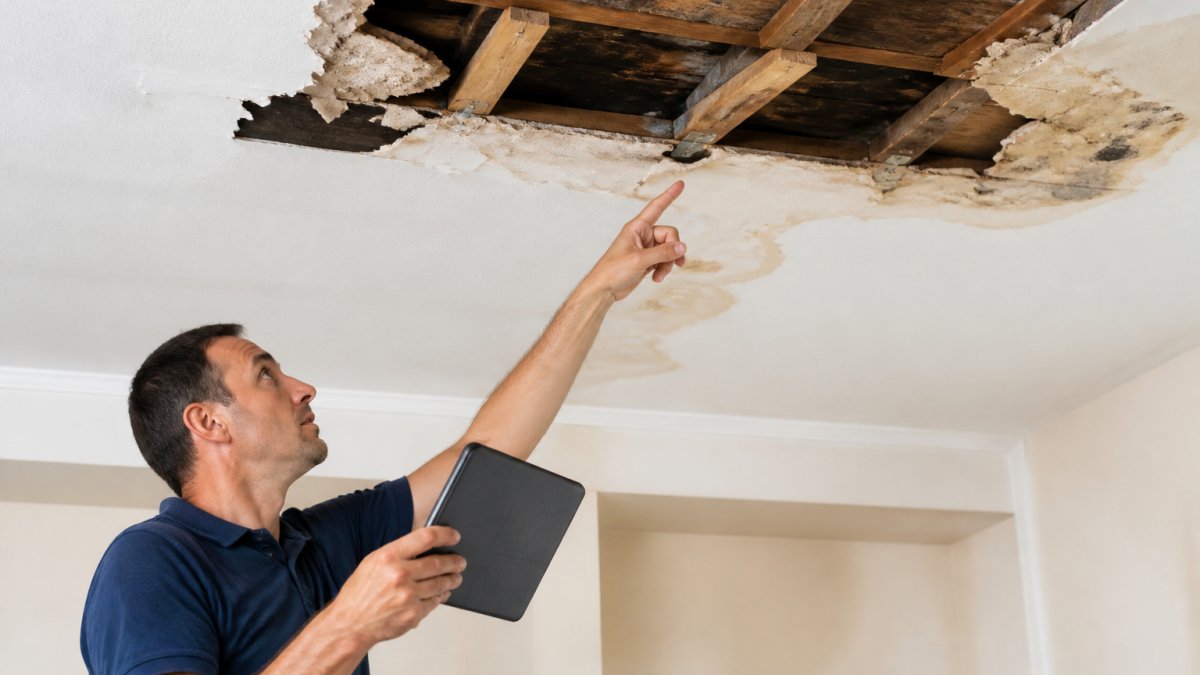
Learning how to avoid contractor hidden fees starts with understanding why they exist.
At Fraley's Home Improvement, we've watched this play out for over 55 years. The pattern is predictable.
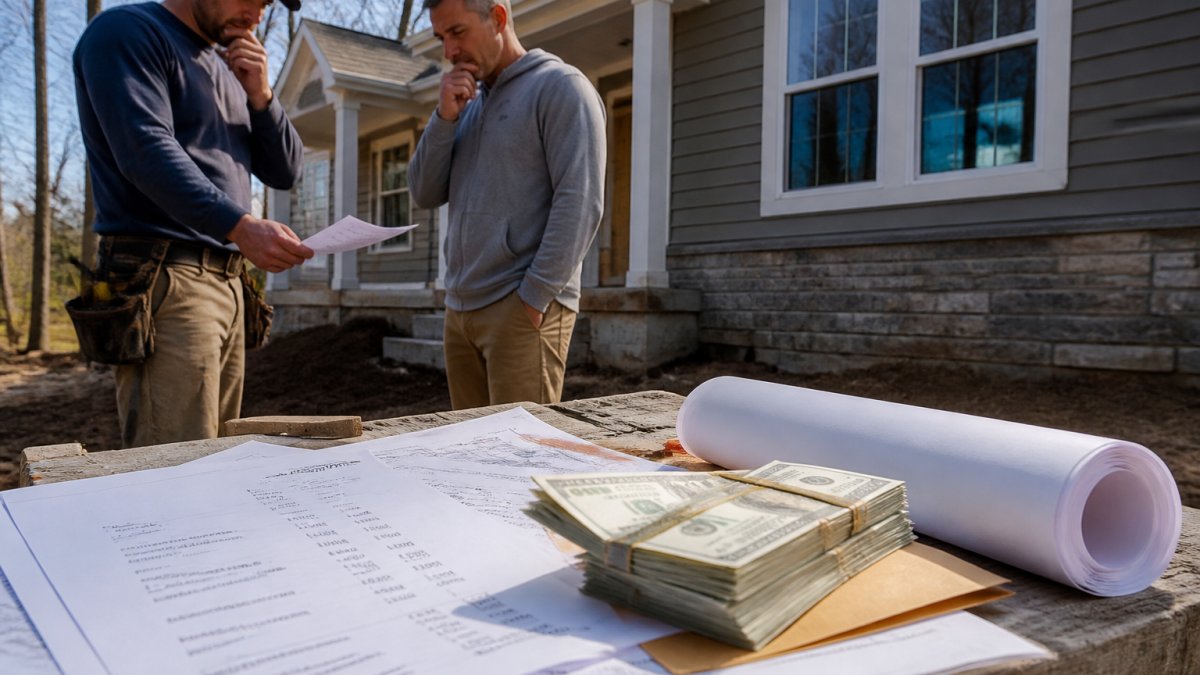
Here's the core problem: a bid is not a price. It's an estimate built on assumptions.
Common sources of hidden construction and remodeling costs include:
- Vague scope of work that leaves room for "extra" charges
- Unpriced allowances for materials the homeowner must later upgrade
- Missing permit and inspection fees added after signing
The Federal Trade Commission's consumer guidance on home improvement contracts is clear that a written contract should spell out what work is included.
So how do you spot these before they cost you? You read the estimate like an auditor, not a shopper.
The Contractor Estimate Checklist That Exposes Hidden Fees Before You Sign
A contractor estimate checklist is a simple list of items every bid should show in writing. If a line is missing, ask about it before you sign. A complete estimate protects both sides.
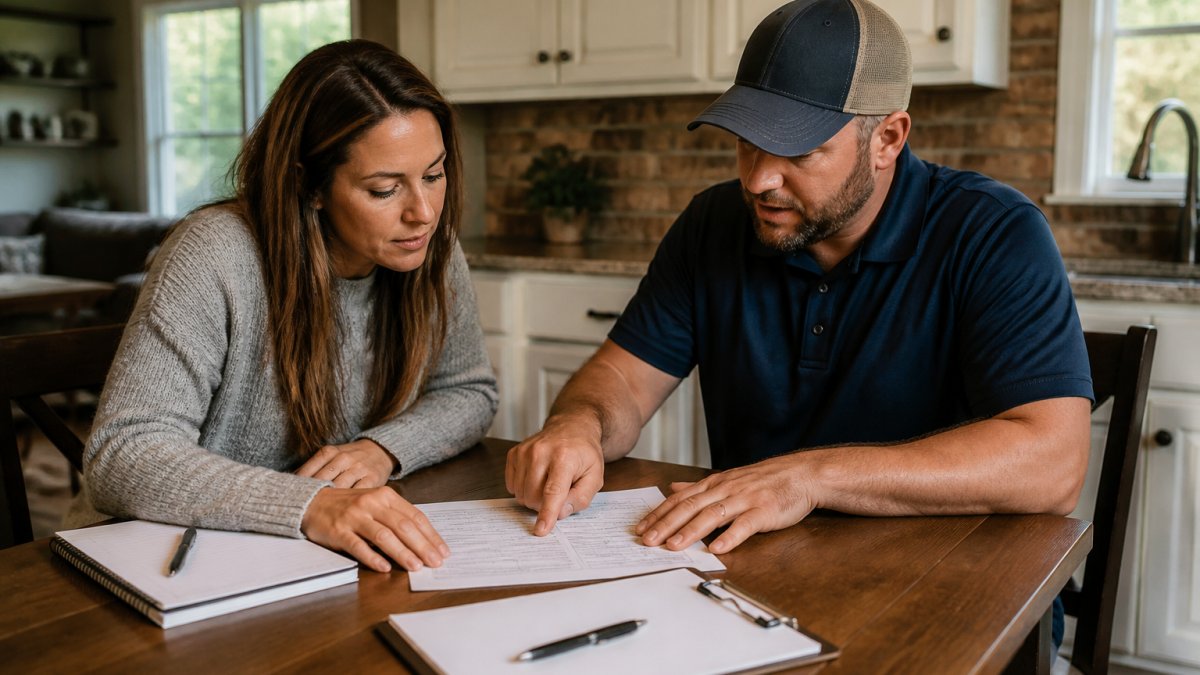
Run every bid through this checklist, and read the notes beside each item, that's where the hidden fees hide:
- Full scope of work in plain language. Every room, surface, and task should be named. If a bid says "bathroom remodel" with no breakdown, you can't tell what's excluded.
- Project specifications and product brands. "Tile" is not a spec. "12x24 porcelain, brand and model listed" is. Unbranded specs let a contractor substitute cheaper material and pocket the difference.
- Drawings or diagrams for complex work. Framing, electrical, and plumbing changes should have a sketch or plan attached.
How markup and overhead actually show up in a bid
Most homeowners don't realize that a contractor's price includes more than materials and labor. A typical bid folds in overhead (insurance, vehicles, tools, office costs) and profit, often expressed as a markup on materials or a percentage added to the job total.
A common pattern: a bid shows materials at cost plus a percentage, then adds a separate "project management" or "administration" line. Neither is automatically unfair, but both should be disclosed before signing, not discovered on an invoice.
Allowances: the quietest hidden fee
Allowances deserve their own warning. A bid with a low allowance for fixtures, flooring, or cabinets looks cheaper than a competitor's, until you pick what you actually want and pay the difference. Ask three questions about every allowance:
- What brand, model, or grade does the allowance assume?
- Who selects the product, you or the contractor?
- What happens to the price if you go over, and is there a cap?
If the contractor can't answer, the allowance is a placeholder for a future surprise.
If a contractor can't produce this checklist, that's your answer. A fair bidder will walk you through every line and explain the math behind it.
Run every bid through this checklist, and read the notes beside each item, that's where the hidden fees hide.
| Checklist item | What to look for | Where the hidden fee hides |
|---|---|---|
| Full scope of work | Every room, surface, and task named in plain language | A vague bid leaves room for extra charges |
| Project specifications | Product brands and models listed, not just tile | Unbranded specs let cheaper material be substituted |
| Drawings or diagrams | Sketches for framing, electrical, and plumbing changes | Complex work priced without a plan |
| Materials and labor | Broken out separately, not one lump sum | A lump sum can't be audited later |
| Permit and inspection fees | Stated, with the permit receipt requested | Fees added after signing |
| Debris disposal | Dumpster rental, hauling, and landfill fees included | Waste removal billed separately after the fact |
| Allowances | Listed with dollar amounts and overage rules | A low allowance becomes a future surprise |
| Contingency line | Clarify whether unused contingency is refunded or credited | Treated as a fee the contractor keeps |
Questions to Ask a Contractor Before Hiring That Reveal Hidden Costs
The right questions to ask a contractor before hiring do one thing: they force specifics. Vague answers signal vague pricing.
Ask these during bidding:
- "Is this a fixed price or an estimate?" A fixed price caps your risk. An estimate can move.
- "What's not included in this number?" This flushes out the exclusions.
- "Who pulls the permits, and is that fee in the bid?" Permits and inspections are common add-ons.
- "How do you handle change orders?" You want written approval, not a verbal okay.
- "What's your markup on materials?" A fair contractor will explain overhead and profit margin.
- "How do you handle site conditions you didn't expect?" This is where contingency comes in.
Watch out: a contractor who dodges the markup question or won't put change orders in writing is telling you something. Believe them.
For a deeper look at why family-operated crews tend to be more transparent, see why choose family operated contractors.
How the Contractor Change Order Process Can Protect You from Surprise Charges
The contractor change order process is the single best defense against surprise charges.
Here's the workflow that protects you:
- Contractor identifies additional work or an unforeseen condition
- Contractor submits a written change order with cost and timeline
- You review it and ask questions
- You approve in writing, or you decline
- Work proceeds only after approval
Keep every change order in one folder. Photograph site conditions. If a contractor claims "the deck was rotten, that's extra," you want a dated photo and a signed order.
This is where most disputes start. A verbal "we'll sort it out later" becomes a bill you can't challenge. Written approval prevents that entirely.
The Contractor Payment Schedule That Keeps Your Money Safe
A contractor payment schedule is a plan that ties each payment to completed work. It protects you from paying for work that hasn't happened.
A safe schedule usually looks like this:
- Small deposit to secure materials and a start date
- Progress payments at defined milestones
- Final payment only after your walkthrough and inspection
Watch out: large upfront deposits are a red flag. So is a request for the full balance before the job is done.
Keep a simple budget tracker for the project budget. Log every payment, every change order, and every invoice.
How to Audit an Invoice and Challenge Questionable Charges
Auditing an invoice means comparing every line to your contract and change orders. You're checking that you're only paying for approved work. Most homeowners skip this step, and that's exactly what hidden fees count on.
Do this before you pay:
- Match each invoice line to the original scope of work
- Confirm every extra charge has a signed change order
- Check quantities against what was actually installed
Legitimate versus disputed charges: how to tell the difference
Not every charge above the original bid is a hidden fee. Some are legitimate. The difference is documentation and timing.
Usually legitimate:
- A written change order you signed before the work began
- A permit fee you authorized, backed by the municipal receipt
- A materials overage on a documented allowance, with receipts
Usually disputed:
- A charge for work already covered in the original scope
- An "administrative" or "fuel" surcharge that wasn't in the contract
- A markup applied to a change order without prior disclosure
A step-by-step invoice challenge process
When a charge looks wrong, don't pay it and don't argue verbally. Work the process:
- Pause payment on the disputed line only. Pay the undisputed portion so you stay in good standing on the contract.
- Put your question in writing. Email or a dated letter is better than a phone call. State the invoice number, the line item, the amount, and why you believe it's incorrect.
- Request itemized backup. Ask for receipts, time sheets, or the signed change order that authorizes the charge.
- Set a reasonable response deadline, commonly a few business days, and say what you'll do if you don't hear back.
- Document everything. Keep a folder with the contract, every change order, every invoice, photos, and all correspondence. A paper trail is your strongest leverage.
- Escalate in writing if the charge isn't resolved. A formal demand letter that restates the facts and cites the contract terms often resolves the issue without further steps.
The Consumer Financial Protection Bureau's guidance on resolving billing disputes offers useful steps for challenging charges in writing. Keep everything in writing, and keep copies.
Where to turn if the contractor won't budge
If written requests don't resolve the charge, you have options. Most states license or register home improvement contractors through a state agency, and that agency typically accepts complaints about contract and billing practices. Your local or state consumer protection office can also mediate. For larger disputes, small claims court handles many homeowner-contractor disagreements without a lawyer, and the contract's dispute-resolution clause may specify mediation or arbitration.
Cost transparency isn't a favor. It's what a fair contractor offers by default.
Get a Free, No-Pressure Estimate from Fraley's Home Improvement
Hidden fees thrive on vague bids and loose contracts.
At Fraley's Home Improvement, we've built our name on the opposite of hidden fees.
You get a free, no-pressure estimate with every line explained. No surprise charges. No long contract traps. Just straight answers.
Ready to see what your project actually costs? Get a free, no-pressure estimate and start with a bid you can trust.
Frequently Asked Questions
Is it normal to pay a contractor 50% upfront?
A 50% upfront deposit is higher than many consumer advocates recommend. A more standard contractor payment schedule ties payments to completed milestones, such as 10% at signing, 25% at material delivery, and the balance as work progresses. Large upfront payments leave you little leverage if the job stalls. Ask for a written schedule that matches your project's phases and never pay for work that has not been done.
What should a contractor's estimate include to avoid hidden fees?
A complete estimate should list materials with brands and quantities, labor hours and rates, permit and inspection fees, debris disposal, and any allowances for items you have not selected yet. It should also state what is excluded so you can see potential extra charges. A contractor estimate checklist helps you compare bids line by line and spot vague lump sums that often grow into hidden fees later.
How can you prevent unexpected change-order costs?
Set up a written contractor change order process before work begins. Any change in scope, materials, or schedule should require a signed change order that states the added cost and time impact. No verbal approvals. Also keep a contingency fund of 10 to 20 percent of your project budget for unforeseen conditions, and review every change order against the original scope of work.
What should you do if a contractor adds charges you did not approve?
First, request an itemized invoice that explains each charge and references the signed contract or change order. If the charge was not approved in writing, dispute it in writing and cite your contract's change order clause. Keep records of all communications. If you cannot resolve it directly, contact your state's consumer protection office or licensing board for guidance on contractor hidden fees and billing disputes.
Hidden fees don't have to be part of your project. Fraley's Home Improvement offers free, no-pressure estimates, GAF-certified craftsmanship, and a family-operated team that explains every line before you sign. Get started with Fraley's Home Improvement and protect your budget from day one.