 Listicle
What Is the Best Siding for Humid Climates?
Last Updated: November 14, 2026
Quick Summary
Fiber cement siding is the best siding for humid climates because it resists rot, mold, and pests, and it holds paint longer than most wood products. Vinyl and metal are also strong moisture-resistant options, but every material depends on a drainage plane and proper flashing to let the wall dry out.
- Fiber cement needs repainting or recoating every 8 to 15 years depending on the finish.
- Vinyl siding cannot rot or feed mold and needs only annual washing with no painting.
- Wood and red cedar require sealing or staining every 2 to 4 years in wet weather.
- Nails go in the center of the nailing slot, not tight, so panels move without buckling.
- Siding should stop above grade because splashback at the foundation is a common source of hidden rot.
Table of Contents
- What Actually Matters in a Humid Climate
- Fiber Cement Siding for Humid Climates
- Vinyl Siding: Affordable Moisture Resistance
- Composite Siding and Engineered Wood Options
- Waterproof Siding Panels and Metal Alternatives
- Wood Siding and Red Cedar: High Maintenance in Wet Weather
- Side-by-Side Comparison: Moisture Resistance, Durability and Cost
- Installation Details That Prevent Trapped Moisture
- Frequently Asked Questions
What Actually Matters in a Humid Climate
Picking the best siding materials for humid climates comes down to one question: can the wall dry out? Materials that shed rain but trap moisture behind them fail faster than materials that let vapor escape. In western Kentucky and the tri-state area, we deal with sticky summers, wind-driven rain, and months of high humidity, so we judge every option on drainage, ventilation, and rot resistance before looks.
Here's what most guides miss: moisture resistance is not a single property. A board can resist rain on its face and still rot from the inside out if water vapor can't get out. That's why we look at four things on every material:
- Water shedding: how the surface handles rain exposure and wind-driven rain
- Drying potential: whether the assembly lets trapped moisture escape
- Rot and pest resistance: how the material holds up to mold, mildew, and insects
- Maintenance load: how often it needs sealing, painting, or repair
Before you choose a material, it helps to understand how a professional siding inspection evaluates moisture problems in an existing wall.
Fiber Cement Siding for Humid Climates
Fiber cement siding is a composite material made from cement, sand, and cellulose fibers, and it holds up well in humid climates because it resists rot, mold, and pests. It does not feed termites the way wood does, and it holds paint longer than most wood products. That combination makes it a strong pick for rainy climates.
A common mistake is assuming fiber cement is maintenance-free. It isn't. The material needs paint or a factory finish to keep moisture out of the board edges, and joints must be sealed correctly.
Fiber cement performs best when installed with a clear drainage plane behind it. Nailed tight to the sheathing with no gap, the wall can't dry and the advantages shrink.
Best for: homeowners who want long-term durability and can budget for professional installation. Skip if: you want the lowest upfront material cost.
Vinyl Siding: Affordable Moisture Resistance
Vinyl siding is the most budget-friendly option for wet and humid climates because the material itself cannot rot, absorb water, or feed mold. It sheds rain well and needs no painting. For homeowners watching the budget, it's often the practical answer.
The catch is installation, not the material. Vinyl has to move with temperature changes, so it's nailed loosely and hung on a drainage plane. Panels nailed tight or butted hard against trim buckle and crack, and cracks let water in.
Vinyl's weak spot in a hot, humid climate is heat. Dark colors absorb more heat and can warp on sun-baked walls. Lighter colors and quality panels hold up better.
For homeowners leaning this direction, our vinyl siding installation in Henderson, KY page explains how the panels are set up to drain and breathe.
Best for: budget-conscious homeowners who want low maintenance. Skip if: you want a painted wood look or plan to install on a wall with intense afternoon sun and dark color.
Composite Siding and Engineered Wood Options
Engineered wood and composite siding are manufactured products made from wood fibers and resins, and they resist moisture better than solid wood because the binder seals the fibers. These products typically come factory-primed or fully finished, which gives them a head start against rain exposure.
The failure mode for composites is the same as wood: water at the edges. Joints, penetrations, and the bottom course near splashback are where moisture gets in. If the end grain isn't sealed and the wall behind doesn't drain, the material swells and the finish fails.
Best for: homeowners who want a wood look with less rot risk than real wood. Skip if: the product's installation instructions don't match how your wall is built.
Waterproof Siding Panels and Metal Alternatives
Metal siding, including aluminum siding, is one of the most weather-resistant choices for a rainy climate. It cannot rot, mold, or mildew, and it doesn't feed pests. Product comparisons describe metal as a pick for longevity and weather resistance, and that matches what we see in the field.
"Waterproof siding panels" is a phrase used loosely. No siding panel is truly waterproof as a wall system, because water always finds the seams. What makes a wall waterproof is the layers behind the siding: house wrap, flashing, and drainage. Metal siding does its job best installed over a proper drainage plane with sealed fasteners.
Metal's real drawbacks are cosmetic and thermal. It dents under impact, expands and contracts in heat, and can be noisy in heavy rain. Paint finishes on lower-grade panels chalk and fade over time.
Best for: homeowners who prioritize pest resistance and longevity. Skip if: hail or debris impact is a regular concern on your lot.
Wood Siding and Red Cedar: High Maintenance in Wet Weather
Wood siding and red cedar look beautiful and perform poorly without constant attention in a wet climate. Wood absorbs moisture, leading to rot, mold, mildew, and insect damage. Red cedar's natural oils slow decay but do not stop it. Even cedar needs regular sealing or staining to survive humid summers.
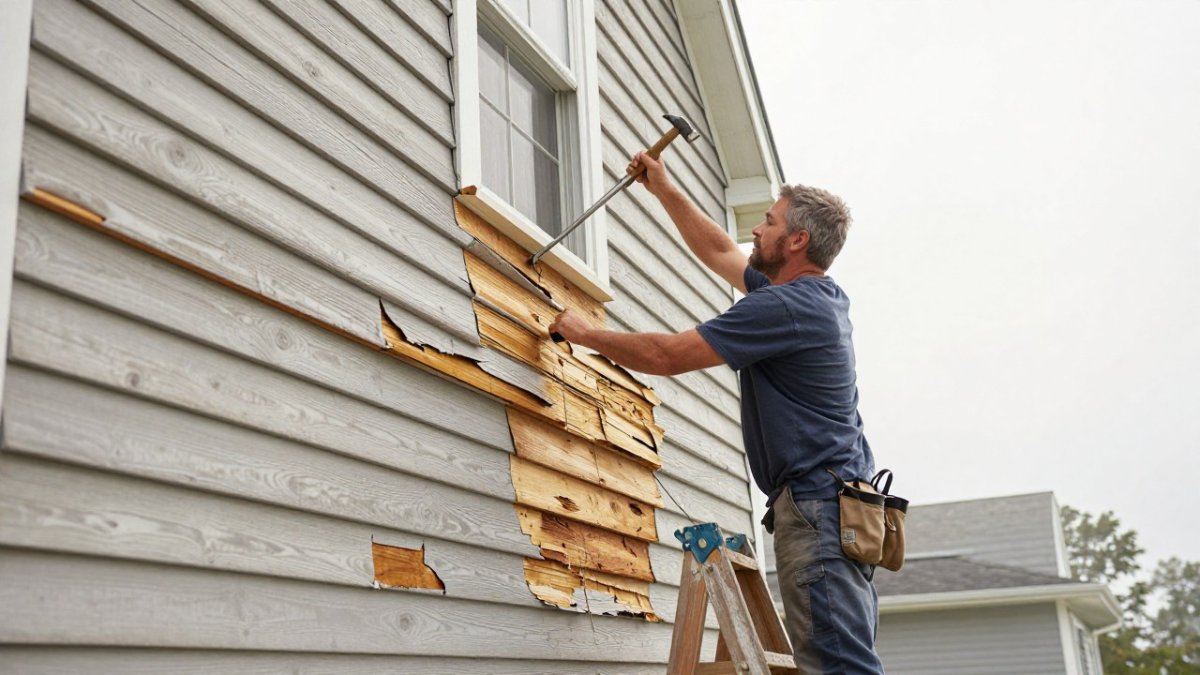
Wood walls often look fine on the surface while the board underneath is soft. The failure usually starts at the bottom courses, around windows, and at joints where water sits. Plywood siding and T1-11 panels are especially vulnerable because water wicks into the exposed edges.
If you already have wood siding and you're seeing bubbling paint, soft spots, or staining, get it looked at before the damage spreads. Our siding repair in Henderson, KY service handles moisture issues and storm damage.
Best for: homeowners restoring a period home who accept the upkeep. Skip if: you want low maintenance.
Side-by-Side Comparison: Moisture Resistance, Durability and Cost
Most siding comparisons list materials and call it a day. The useful comparison uses the same criteria for every option and shows where the money goes over time.
Installed cost depends on wall condition, access, trim, and local labor. Because persistent moisture can shorten siding’s service life, weighing whether damage calls for repair or replacement helps keep a wet wall from underperforming, a decision Local Big Brothers can help frame.
| Material | Bulk-water and vapor behavior | Rot and pest resistance | Maintenance cadence | Typical service life | Repairability | Material cost per sq ft |
|---|---|---|---|---|---|---|
| Fiber cement | Resists rain on the face; edges and joints absorb water if unsealed; benefits from a drained, ventilated assembly | High; does not feed termites | Repaint or recoat every 8 to 15 years depending on finish | 30 to 50 years | Moderate; individual boards can be replaced, but color matching aged finish is hard | $3 to $7 |
| Vinyl | Sheds rain well; seams and penetrations are the weak points; needs a drainage plane behind it | High; cannot rot or feed mold | Wash annually; no painting | 20 to 40 years | High; panels are inexpensive and swap out quickly | $2 to $5 |
| Engineered wood / composite | Factory finish resists rain; end grain and joints swell if water reaches them | Moderate to high | Recoat every 5 to 10 years depending on product | 20 to 40 years | Moderate; board replacement is practical but finish matching is imperfect | $3 to $6 |
| Metal / aluminum | Cannot absorb water; seams and fasteners are the intrusion points; expands and contracts | High | Wash occasionally; repaint if finish chalks | 30 to 50 years | Moderate; dents are hard to blend, panels can be replaced | $4 to $9 |
| Wood / red cedar | Absorbs moisture; needs a maintained coating to shed rain | Low to moderate; cedar oils slow decay but do not stop it | Seal or stain every 2 to 4 years | 15 to 30 years with strict upkeep | High; boards can be replaced, but the whole wall usually needs attention | $3 to $8 |
| Fused bamboo | Marketed as high-humidity suitable; performance depends on the binder and finish | Moderate | Low | Manufacturer-stated; verify warranty terms | Low to moderate; fewer matching components in the field | Premium |
Total cost of ownership is where the cheap-looking choice sometimes loses. Maintenance over the life of the siding, including sealing, staining, scraping, and repair, can add more in labor over time than the difference in material price.
Repairability matters as much as durability in a humid climate because moisture damage is usually localized. Vinyl and fiber cement are the easiest to repair board-by-board. Wood is easy to replace but often signals a wall-wide moisture problem a single board swap won't fix. Metal dents are difficult to blend.
Material cost per square foot by siding material
Installation Details That Prevent Trapped Moisture
The best material fails with bad installation.
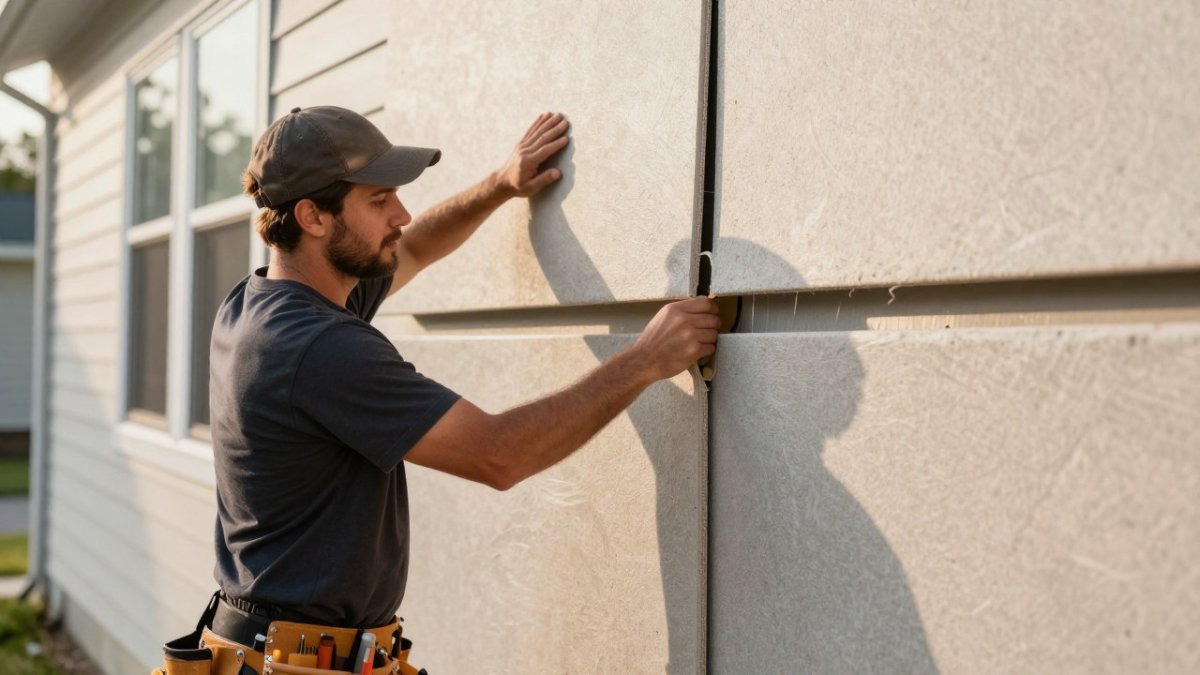
Start with the weather-resistive barrier. House wrap must be lapped shingle-style, with upper courses over lower courses, and all seams taped per the manufacturer's instructions.
A rainscreen gap, even a thin one created by furring strips or a profiled underlayment, lets water behind the siding drain down and out and lets the back of the panel dry.
Watch out: caulking over a weep gap or sealing the bottom edge of panels traps water and causes the exact damage the material was chosen to prevent.
Vapor behavior depends on the climate and the wall.
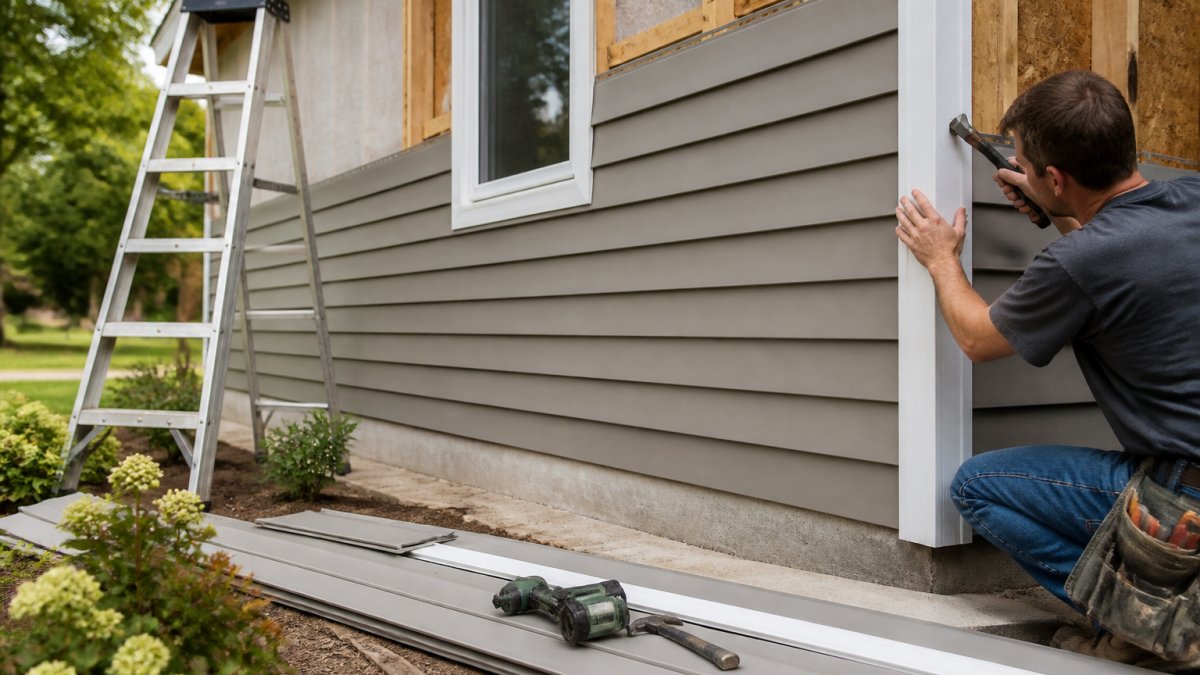
Fastening matters too. Nails go in the center of the nailing slot, not tight, so panels can move with temperature and humidity without buckling or cracking.
Finally, plan the drainage path at the bottom. For a deeper look at how moisture moves through a wall, read our guide on preventing water damage in your home exterior.
Frequently Asked Questions
What type of siding is best for humid climates?
Fiber cement and quality vinyl siding are the two strongest choices for humid climates. Fiber cement resists rot, mold and pests while holding paint well, and vinyl sheds water without absorbing it. Composite and engineered wood products also perform well when installed with proper drainage. Wood siding like red cedar can work but needs regular sealing and repainting. The right pick depends on your budget, how much maintenance you will do, and how your installer handles flashing and ventilation behind the panels.
Is fiber cement siding a good choice for humid climates?
Yes. Fiber cement siding handles humidity well because it does not rot or feed mold the way wood does, and it resists termites and other pests. It holds paint longer than wood in wet conditions, though it still needs repainting every several years. The key is installation: fiber cement must sit over a drainage plane with proper clearance from the ground so water can escape. When installed correctly, it is one of the most durable options for a humid climate.
Does vinyl siding hold up well in humid weather?
Vinyl siding holds up well in humid weather because it does not absorb water, rot or support mold growth on the material itself. It is also generally one of the more budget-friendly options. The main risks are trapped moisture behind the panels and color fading from heat and sun. Proper installation with a drainage gap and ventilation keeps vinyl performing in wet climates.
What siding tends to deteriorate from moisture damage?
Wood siding, including red cedar, plywood siding and T1-11, is the most vulnerable to moisture damage. Wood absorbs water, which leads to rot, mold, mildew and paint failure if it is not sealed and maintained. Even rot-resistant species need regular treatment in humid climates. Engineered wood performs better than solid wood but still depends on sealed edges and good drainage. Materials that absorb water are the ones that deteriorate first when rain and humidity persist.
What should homeowners look for in siding for a humid climate?
Look for four things: low water absorption, rot and pest resistance, a drainage plane behind the panels, and realistic maintenance expectations. Ask your installer how they handle flashing, house wrap and ventilation, because trapped moisture causes more failures than the material itself. Check the manufacturer's warranty terms for moisture exclusions. Also weigh total cost of ownership, not just the price per square foot, since repainting and repairs add up over the life of the siding.