 Comparison
Is Window Replacement Worth the Investment for Your Home
Last Updated: November 26, 2026
Quick Summary
Yes, window replacement is often worth the investment when your windows have failing glass, drafts, or rising energy costs, since it pays back through lower energy bills, better comfort, and stronger resale value. Vinyl window replacement recoups about 68.5% of its cost at resale, while wood recovers roughly 61.2%.
- Repair makes sense when the problem is the seal, hardware, or weatherstripping, not failed glass.
- Glass unit replacement costs $150 to $500 and suits fog between panes with a sound frame.
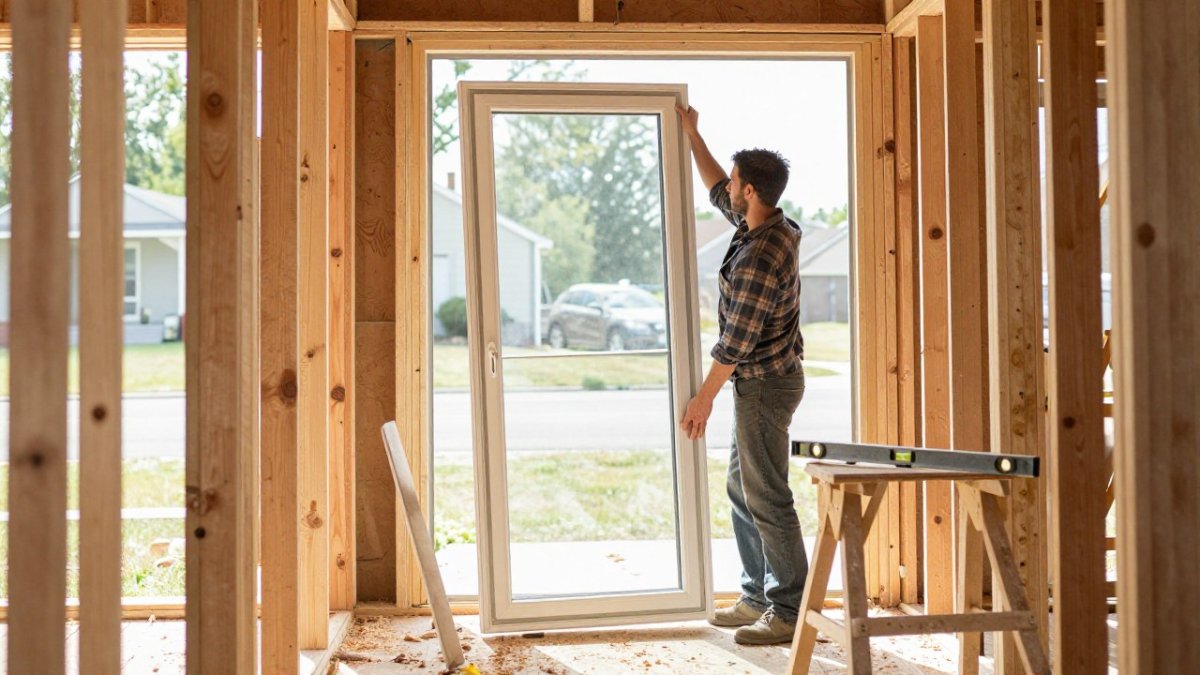
- Full window replacement runs $300 to $2,500 installed and lasts 20 to 30 years.
- If you repaired the same window twice in three years, consider replacement instead.
- Get at least three itemized quotes separating window cost, installation, flashing, and disposal.
Table of Contents
- Is window replacement worth the investment?
- Window replacement cost and what drives the price
- Signs you need new windows
- Repair vs. replace windows: which makes sense now
- Energy savings, comfort, and noise reduction
- Replace windows before selling a house
- How to verify energy-savings claims and plan your payback
- Get a free estimate before you decide
- Frequently Asked Questions
Is window replacement worth the investment?
Yes, window replacement is often worth the investment, but the return depends on your windows' condition, your home's age, and how long you plan to stay.
Here is the core tension most guides skip: window replacement is a cost-benefit analysis, not a simple upgrade.
Below, we break down the real costs, the signs that matter, how repair compares to replacement, and how to estimate your own payback before you sign anything.
Window replacement cost and what drives the price
Window replacement cost varies widely because three factors do most of the work: materials, glass, and installation quality. A single window can land anywhere from a few hundred dollars to well over a thousand installed, and the spread is not random.
According to NerdWallet's replacement windows cost guide, homeowners commonly see per-window costs spanning roughly $300 to $2,500. ConsumerAffairs' installation cost breakdown puts a typical installed window around $700 to $1,200, with full-home projects often starting near $7,000 and climbing from there.
Materials, glass, and installation quality
Material choice sets the baseline. Vinyl is the most common pick for cost and low maintenance. Wood looks beautiful but costs more and needs care. Fiberglass sits in between on price and durability.
Glass is where energy performance lives. Double-pane glass with low-emissivity coatings and inert gas between panes does the heavy lifting on efficiency.
Installation quality decides whether any of that matters. A premium window installed with gaps and poor flashing can leak air and water.
Signs you need new windows
You need new windows when the glass itself has failed, not just when the frame looks tired. The clearest signals are fogging between panes, visible condensation that will not clear, drafts you can feel, and seals that have broken down.
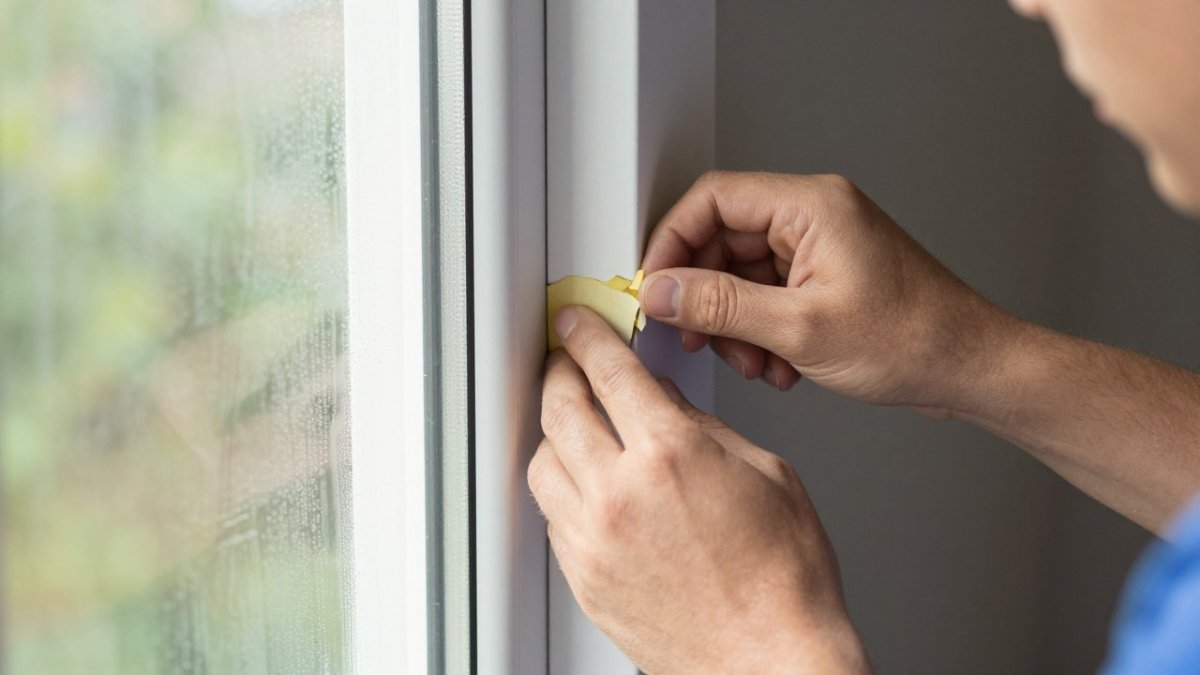
Walk your home and check for these:
- Fog or moisture trapped between double-pane glass
- Drafts around the frame on a cold day
- Peeling paint, rot, or soft wood around the sash
- Windows that stick, rattle, or will not close flush
- Rising heating and cooling bills with no other explanation
If several of these show up at once, a professional assessment is the next step. Our team offers a window inspection in Henderson, KY to confirm whether replacement is really needed. For a deeper look at the warning signs, read our guide on whether your windows are making you cold.
Repair vs. replace windows: which makes sense now
Repair makes sense when the problem is the seal, the hardware, or the weatherstripping. Replace when the glass unit has failed or the frame is damaged beyond patching. That is the short version, and it saves a lot of guesswork.
The full ladder of options, cheapest to most expensive
| Option | Typical cost per window (USD) | Expected service life | Best for |
|---|---|---|---|
| Re-caulking and sealing gaps | $10-$50 in materials | 1-3 years | Minor air leaks around a solid frame |
| Weatherstripping | $10-$40 in materials | 1-3 years | Drafts at the sash or meeting rail |
| Sash or hardware repair | $75-$300 | 5-15 years | Sticking, rattling, or broken locks and balances |
| Glass unit replacement (failed seal) | $150-$500 | 10-20 years | Fog between panes with a sound frame |
| Full window replacement | $300-$2,500 installed | 20-30 years | Failed glass plus rot, whole-home original units, or repeated repairs |
Expected service life
The point is that middle options exist between minor fixes and full replacement. A homeowner facing one foggy window with a solid frame does not need to replace every window in the house, and a homeowner with rot in three frames does not need another round of caulk.
A decision sequence that avoids overspending
Work through these questions in order. Stop at the first one that fits.
- Is the frame sound and the glass clear? Caulk and weatherstrip first. This is the lowest-cost option and often restores performance for a season or more.
- Is the hardware or sash the only problem? Repair the sash or replace the hardware. A sticking window is usually a balance or track issue, not a glass failure.
- Is there fog or moisture between the panes? The seal has failed. Replace the glass unit if the frame is solid; replace the whole window if the frame is not.
- Is there rot, soft wood, or structural damage? Replace the window. Rot spreads, and patching a soft frame is a temporary fix that returns.
- Are most windows original builder units and failing at once? Full replacement usually wins on whole-life cost, because repair bills compound and the energy losses stack.
When evaluating any contractor's recommendation, ask which specific failure they found and which option it points to.
When repair keeps coming back
If you have repaired the same window twice in three years, the repair-versus-replacement math has already flipped. The cumulative repair cost plus the energy losses from a window that keeps failing usually exceeds the cost of one replacement over the same period. A reasonable rule of thumb is to repair once, and if the problem returns, consider replacement.
When you are ready to weigh the full scope, see our window replacement in Henderson, KY service and what the process involves.
Energy savings, comfort, and noise reduction
Energy savings are real but often overstated by sales pitches. New energy-efficient windows can reduce air leaks and improve insulation, which may show up as steadier indoor temperatures and lower heating and cooling costs.
Comfort is the benefit homeowners notice first. Fewer drafts, less condensation, and rooms that stay consistent from morning to night. Noise reduction is a quieter bonus: double-pane glass and tight seals cut outside sound noticeably on busy streets.
Here is how we would think about it: if your current windows are single-pane or badly sealed, the comfort and energy gains are meaningful. For a fuller picture of how old windows cost you over time, read whether your old windows are costing you money.
Replace windows before selling a house
Replacing windows before selling recovers a solid share of the cost at resale, which is why many sellers make the move.
The recovery numbers are material. GetWindowCost's resale analysis reports that vinyl window replacement recoups about 68.5% of its cost at resale, while wood recovers roughly 61.2%.
Curb appeal matters too. Fresh windows change how a house reads from the street, and buyers notice. If you are selling within a year or two, factor resale value into the decision alongside energy savings.
How to verify energy-savings claims and plan your payback
Verifying energy-savings claims starts with the window's ratings label, not the salesperson's estimate. Ask for the U-factor, SHGC, and the manufacturer's performance data, then compare those numbers across bids. But the label only tells you how the window performs in a lab. The savings you actually see depend on your climate, your home's insulation, and how well your heating and cooling system runs.
Why projected savings often miss
A common pattern is that homeowners are quoted a savings percentage based on an average home in an average climate. Your home is not average. Three factors shrink or grow the real number:
- Climate. In a cold climate, heating dominates and low U-factor windows matter most. In a hot climate, cooling dominates and SHGC matters more. A window optimized for the wrong climate underdelivers.
- Envelope and HVAC. If your attic is under-insulated or your HVAC system is oversized, new windows cannot fix the whole bill. Windows are one part of the envelope, and savings are capped by the weakest part.
- Baseline condition. If your current windows are single-pane with failed seals, the savings range is wide and real. If they are already decent double-pane units, the savings will be modest and the case rests more on comfort and resale.
A realistic savings range for a full-home replacement is often a modest percentage of annual heating and cooling costs rather than headline figures. Treat any single-number promise as a starting point for questions, not a conclusion.
How to build your own payback estimate
You can build a transparent estimate in about an hour with your own bills and a few quotes. Here is the method:
- Gather 12 months of heating and cooling bills. Add the totals for the months you heat and the months you cool. This is your baseline.
- Estimate a realistic savings range. Use the lower end of the manufacturer's projected range and the upper end, then cut both by a third to account for envelope and HVAC limits. That gives you a conservative band.
- Get at least three itemized quotes. Ask each contractor to separate window cost, installation, flashing, and disposal so you can compare like for like.
- Divide project cost by annual savings. Use the conservative savings figure first. The result is your rough years to break even.
- Add resale recovery and comfort value. Resale recovery shortens the effective payback; comfort and noise reduction are real but not cash savings, so keep them separate from the financial math.
Watch out: any contractor who promises a specific dollar savings figure without seeing your bills and windows is guessing. We would rather give you an honest range than a number designed to close a sale.
A worked example
Consider how the math works using your own figures: divide your project cost by your realistic annual savings to estimate the years to break even. The financial case depends on your current window condition, climate, and how long you plan to stay. For a fuller picture of how old windows cost you over time, read whether your old windows are costing you money.
Get a free estimate before you decide
The last step is the one that turns analysis into a decision: get a real number for your home.
At Fraley's Home Improvement, we have served western Kentucky and the tri-state area since 1971, and we are GAF Factory Certified and BBB A+ rated. We offer free, no-pressure estimates, and we are a family-operated business.
Weighing whether window replacement is worth it comes down to evidence, not pressure. If your windows are drafty, fogged, or failing, the savings and comfort gains are worth pursuing.
Frequently Asked Questions
What is the average cost of replacing windows in a 2,000-square-foot house?
Costs vary widely by window count, material, and installation. The total depends heavily on how many openings you replace and whether you choose vinyl or wood. Get a free, no-pressure estimate to see what your specific project would cost.
Do replacement windows increase a home's resale value?
They can help. GetWindowCost reports that vinyl window replacement recoups about 68.5% of its cost at resale, while wood recovers roughly 61.2%. NerdWallet estimates window replacement ROI at 70% to 85%. That means you recover most, but not all, of the upfront cost when you sell. The rest of the value comes from lower energy bills, better comfort, and curb appeal while you still live there.
Is it worth replacing 20-year-old windows?
Often, yes. Most double-pane windows last 20 to 25 years, so at the 20-year mark you may start seeing fogged glass, failed seals, drafts, and rising heating and cooling costs. If several windows show these signs, replacement usually makes more financial sense than repeated repairs. If only one or two windows are failing, repair or targeted replacement may be enough. An on-site assessment will tell you which path fits your home.
Should you replace windows before selling a house?
It depends on your timeline and the condition of the windows. If windows are visibly damaged, drafty, or fogged, buyers will notice and may negotiate the price down. Replacing them can improve curb appeal and recover a large share of the cost at resale. If your windows are in decent shape and you are selling soon, minor repairs and fresh caulking may be the smarter move. Weigh the recovery rate against your asking price and timeline.