 how-to
Are Your Old Windows Costing You Money?
Last Updated: October 26, 2026
Quick Summary
Replace old windows when they fail in more than one way, or when the frame is soft, rotten, or unsafe. A single squeaky sash can be repaired, but a drafty, foggy, water-stained window usually cannot. Most windows last 15 to 25 years, and units past 20 years often fail in clusters.
- Fog between panes means the seal has failed and the insulating gas is gone.
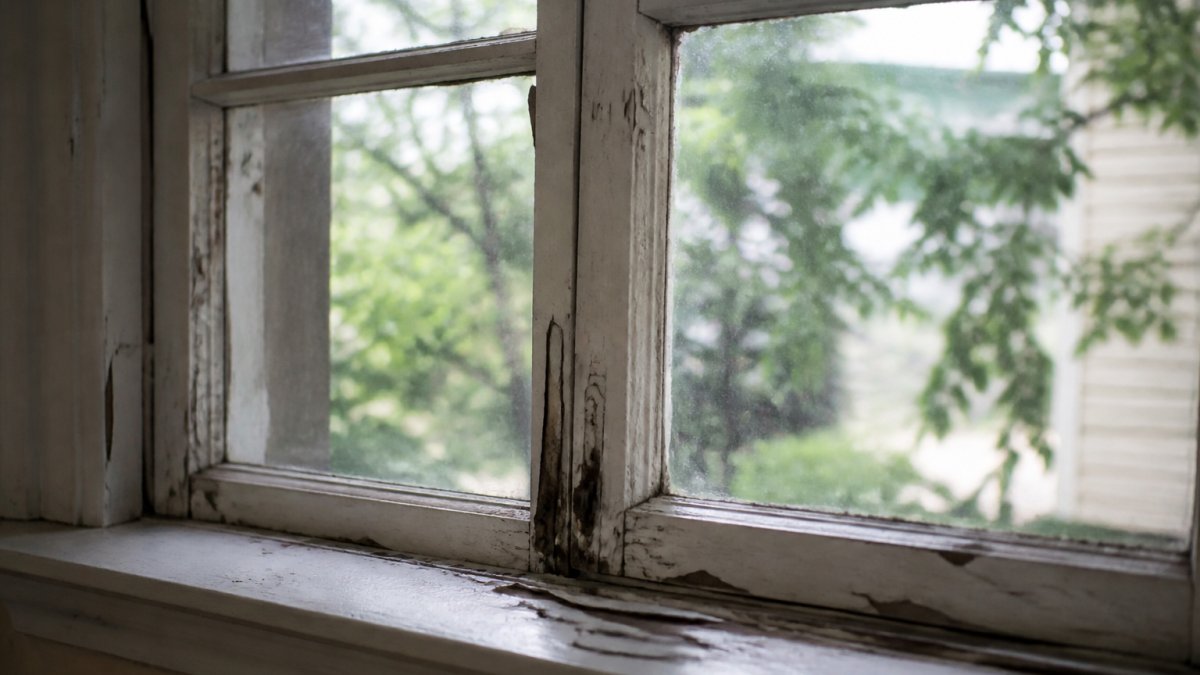
- Soft wood, peeling paint, or interior stains mean moisture is getting in and rot spreads.
- Failed glass seals can be reglassed if the frame is sound; rotten frames should be replaced.
- If a repair costs more than half a new window and the unit is past 15 years, replace it.
- Ask for NFRC ratings and the payback math in writing before believing savings claims.
Table of Contents
- What Signs You Need New Windows Should Never Ignore
- How Long Do Windows Last? Lifespan by Material and Climate
- Window Repair vs Replacement: A Component-by-Component Guide
- How to Verify Energy-Loss Claims and Estimate Your Payback
- What Drives the Cost to Replace Home Windows
- Replacement Project Planning: Installation Quality and Seasonal Timing
- Get a Free Window Assessment from Fraley's Home Improvement
- Frequently Asked Questions
What Signs You Need New Windows Should Never Ignore
If your home is full of old windows that rattle in the wind, fog up between the panes, or refuse to slide, you are likely wondering when to replace old home windows. To confirm whether replacement is needed, book a professional window inspection in Henderson, KY.
At Fraley's Home Improvement, we have walked through thousands of western Kentucky homes since 1971, and the pattern is consistent.
Below, we'll show you exactly what to look for, how to grade the severity, and when a repair is the smarter call.
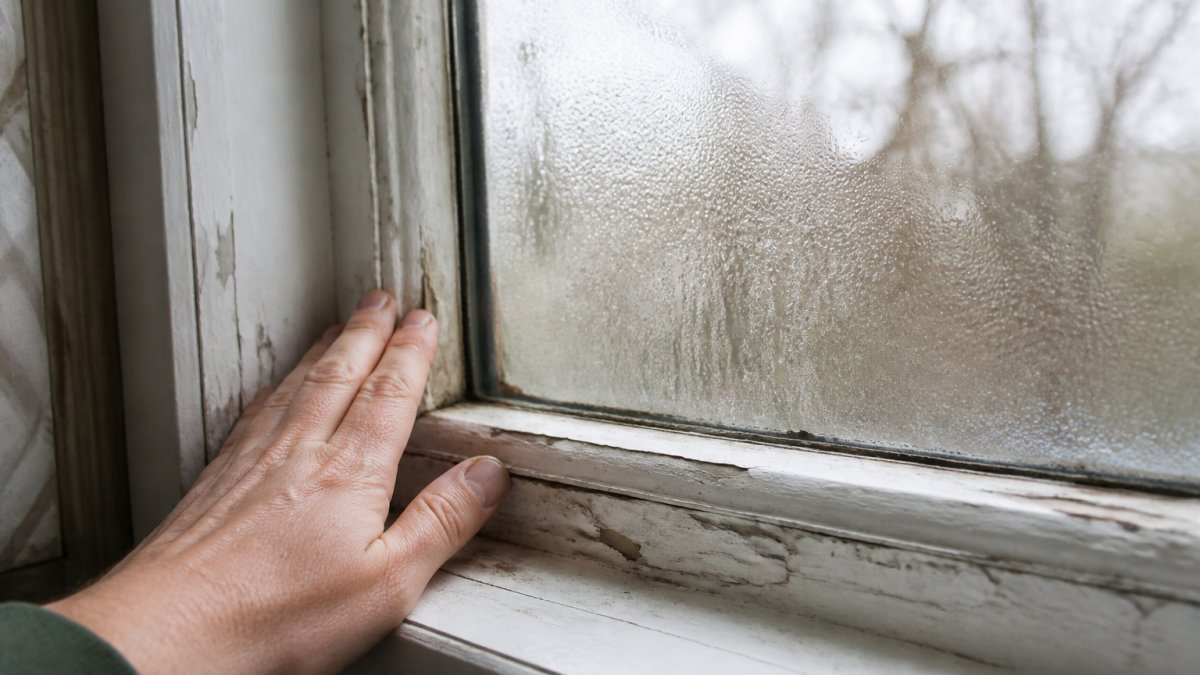
Drafts, Condensation, and Sticking Sashes
Feeling cold air near a closed window is a red flag. So is fog between the panes. That fog means the seal has failed and the insulating gas is gone. Sticking sashes point to a warped frame or worn hardware.
Here is how we grade what we find:
| Sign | Severity | What It Usually Means |
|---|---|---|
| Cold draft near a closed window | Moderate | Worn weatherstripping or a failed seal |
| Fog or condensation between panes | High | Seal failure; the glass unit is done |
| Sash sticks or won't lock | Moderate to high | Warped frame, swollen wood, or broken hardware |
| Visible cracks in glass | High | Safety hazard, especially in older single-pane units |
Weatherstripping is cheap to swap. A failed insulated glass unit is not, and patching it rarely holds.
Water Damage, Rot, and Safety Hazards
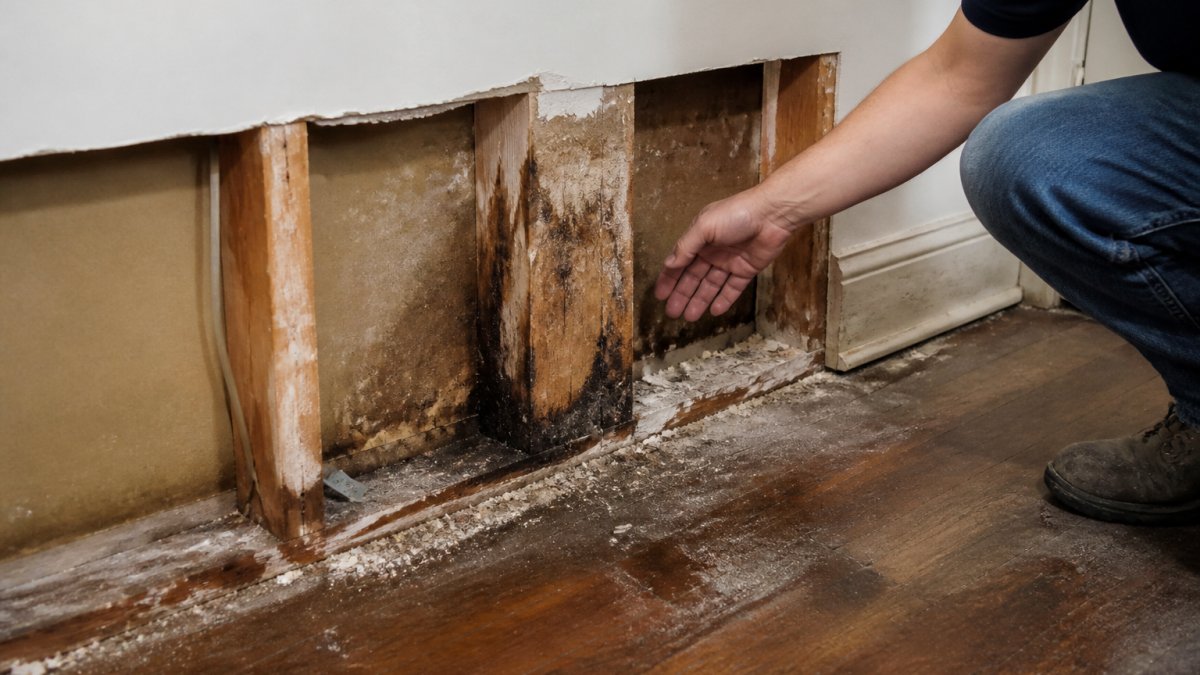
Water is the sign that should end the debate. If you suspect hidden damage, our guide on signs of water damage behind walls explains what to check before it gets expensive.
Safety matters too. Broken glass, frames that won't lock, and single-pane windows in reach of small children are genuine risks.
Watch out: painting over soft, spongy wood hides rot for one season and makes the eventual repair bigger.
How Long Do Windows Last? Lifespan by Material and Climate
Most windows last 15 to 25 years, but the material and your local weather decide where in that range you land. Vinyl tends to hold up well.
The 15- to 20-year mark is when most homeowners start asking about replacement. Windows past 20 years often fail in clusters: one seal goes, then another, then the hardware.
Maintenance stretches lifespan. Caulking, painting bare wood, and keeping tracks clean all add years.
Window Repair vs Replacement: A Component-by-Component Guide
The right call depends on which part failed. Use this framework:
- Failed glass seal (foggy pane): Replace the insulated glass unit if the frame is sound. Replace the whole window if the frame is old or warped.
- Worn weatherstripping or hardware: Repair. This is inexpensive and effective.
- Soft or rotten frame: Replace. Patching rot rarely lasts.
When replacement is the answer, our window replacement service covers what a full project involves and includes a free estimate.
How to Verify Energy-Loss Claims and Estimate Your Payback
Be skeptical of any big savings number you hear. Energy performance depends on your home, your climate, and the window you choose. Here is how to check it yourself:
- Compare the U-factor and Solar Heat Gain Coefficient on the window label. Lower U-factor means better insulation.
- Ask for the performance ratings in writing before you sign.
- Estimate payback by dividing the project cost by your realistic yearly energy savings.
A common mistake is assuming every old window pays for itself fast. It usually does not. The bigger wins are comfort, less condensation, and fewer drafts.
For deeper guidance, see our home energy efficiency tips.
Window Performance Ratings Explained
Before you can verify an energy claim, you need to read the label. The National Fenestration Rating Council (NFRC) certifies window performance, and the label carries four numbers that matter:
- U-factor: How well the window insulates. Lower is better. A single-pane window may rate around 1.10, while a good double-pane unit with a low-e coating can rate near 0.30. The difference is real, but it does not translate into a dollar-for-dollar utility rebate.
- Solar Heat Gain Coefficient (SHGC): How much solar heat passes through. Lower SHGC blocks more heat. In a hot climate you want a lower number; in a cold climate a moderate number can help.
- Air Leakage (AL): How much air escapes through the frame and sash. Lower is better. A rating of 0.3 or below is generally considered tight.
Climate matters. A window that performs well in a cold climate is not the same as one built for a hot, sunny climate. Ask for ratings that match your region, not a generic sales sheet.
How to Estimate Realistic Payback
Payback is simple math, but the inputs are easy to fudge. Use this method:
- Get your baseline. Pull 12 months of utility bills and note the heating and cooling portion. If you do not have a breakdown, your utility may provide a usage summary.
- Estimate the window's share. Windows are one part of the building envelope. A common planning assumption is that windows account for roughly 25 to 30 percent of heating and cooling energy, but that varies widely by home.
- Apply a realistic savings rate. Replacing single-pane windows with efficient double-pane units might reduce window-related energy loss by 20 to 40 percent. Multiply that against the window share, not the whole bill.
- Divide project cost by yearly savings. That gives you a rough payback period in years.
Example: If your annual heating and cooling cost is $1,800, windows are 25 percent of that ($450), and you save 30 percent of the window portion ($135 per year), a $9,000 project has a simple payback of about 67 years. That is why comfort and durability usually matter more than energy savings alone.
What to Ask Before You Believe a Savings Claim
- Ask for the NFRC label and the ratings in writing.
- Ask what baseline the savings estimate assumes.
- Ask whether the estimate accounts for air sealing and insulation, not just glass.
If a salesperson cannot show the math, treat the number as marketing, not a forecast.
What Drives the Cost to Replace Home Windows
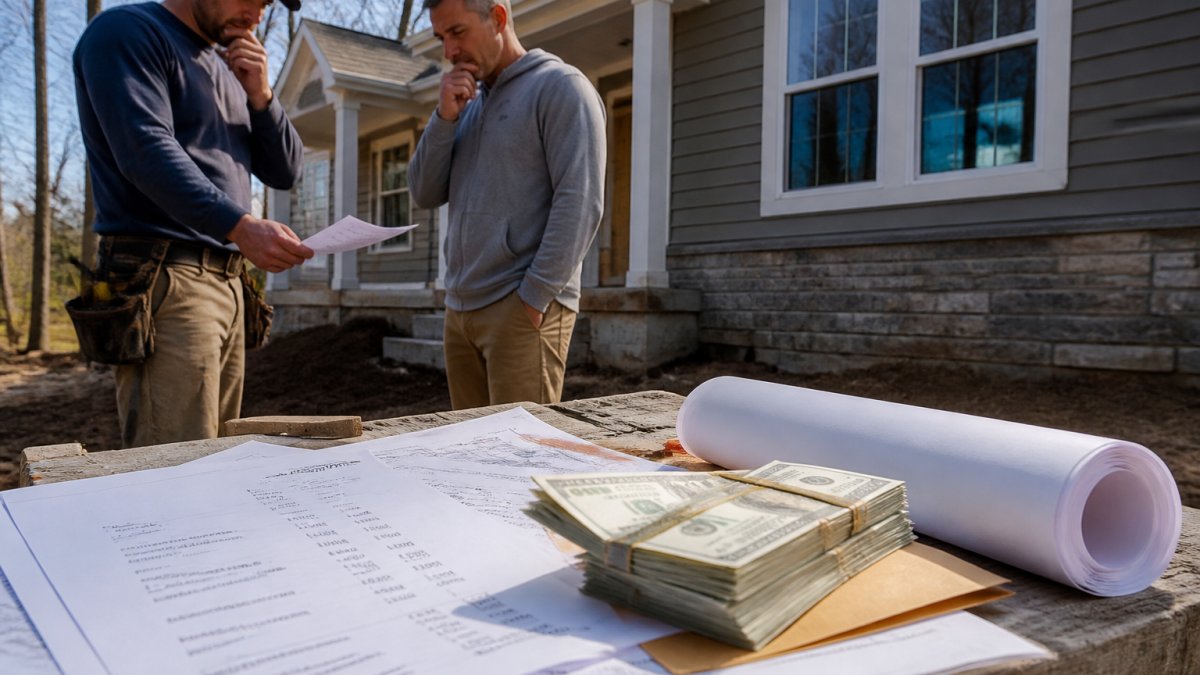
Cost to replace home windows depends on four things: the number of windows, the frame material, the glass package, and the complexity of installation. Custom sizes and second-story work add labor. So does repairing rot found during the job.
We do not quote prices here because every home is different. A free, no-pressure assessment gives you a real number instead of a guess. Ask for the full scope in writing, including disposal and trim work.
How Each Cost Factor Moves the Price
- Number of windows: Cost scales roughly linearly, but per-window price often drops on larger projects because setup and travel are spread across more units.
- Frame material: Vinyl is generally the least expensive. Wood costs more and needs painting or staining. Fiberglass and aluminum sit in between, and aluminum conducts heat unless it has a thermal break.
- Glass package: Single-pane is cheapest. Double-pane with low-e and argon fills costs more. Triple-pane and specialty glass (impact, tempered, sound-control) add further.
- Installation complexity: Second-story work, custom sizing, hard-to-reach openings, and rot repair all add labor. So does removing old aluminum storm windows or lead-painted trim, which may require special handling.
Repair Versus Replace: The Cost Comparison
A failed insulated glass unit can often be replaced for a fraction of a full window replacement, provided the frame is sound. Worn weatherstripping and hardware are inexpensive fixes.
Use this rule of thumb: if the repair costs more than half the price of a new window and the unit is already past 15 years old, replacement is usually the better long-term value.
What a Written Estimate Should Include
- Unit price and brand, with the NFRC ratings.
- Labor, disposal, and trim work.
- Any rot repair or structural work, priced separately.
- Warranty terms for product and labor.
Replacement Project Planning and Installation Quality
Installation quality decides how long your new windows last. A great window installed poorly will leak and draft.
Seasonal timing matters less than people think. Fall and winter replacement is common and works fine. The key is sealing the opening properly and scheduling around weather. A good crew plans for it.
- Confirm the warranty covers labor, not just the product.
- Get the installation method in writing.
- Check reviews and references before you commit.
- Ask whether permits are required in your area and who pulls them.
For a full walkthrough of what a project involves, see our window replacement service.
Replacement Project Planning: Installation Quality and Seasonal Timing
Installation quality decides how long your new windows last. A great window installed poorly will leak and draft. Ask who does the install, whether the crew is certified, and what the warranty covers.
Seasonal timing matters less than people think. Fall and winter replacement is common and works fine. The key is sealing the opening properly and scheduling around weather. A good crew plans for it.
- Confirm the warranty covers labor, not just the product.
- Get the installation method in writing.
- Check reviews and references before you commit.
Get a Free Window Assessment from Fraley's Home Improvement
Old windows are not an emergency, but they are a slow leak on your comfort and your energy bills. The honest answer is that some homes need replacement and some just need a repair.
Fraley's Home Improvement has served western Kentucky and the tri-state area for over 55 years as a family-operated, GAF-certified team.
Get started with Fraley's Home Improvement and request your free estimate today.
Frequently Asked Questions
How do I know if my home windows need to be replaced?
Look for drafts you can feel, condensation trapped between panes, difficulty opening or locking sashes, water stains or soft wood around the frame, and a sharp rise in heating or cooling bills. Windows past the 15- to 20-year mark with two or more of these signs usually justify a professional inspection. A single stuck window or a worn weatherstrip is often repairable, so assess each unit before assuming full replacement is needed.
Is it worth replacing 20-year-old windows?
Often yes, but it depends on condition rather than age alone. Most double-pane windows last 20 to 25 years, and by that point seals fail, glass loses insulating gas, and frames may show rot. If you feel drafts, see foggy glass, or face rising energy bills, replacement usually pays back through lower heating and cooling costs and better comfort. If the frames are solid and only hardware is worn, targeted repairs can extend life a few more years.
Should I repair or replace a drafty window?
Repair first when the frame is solid, the glass is intact, and the problem is worn weatherstripping, a loose hinge, or a failed latch. Replace when the seal between panes has failed, the frame is soft or rotted, or the window is a single-pane unit past its expected lifespan. A practical rule: if repair costs approach half the price of a new unit and the window is already 15 years or older, replacement is the better long-term investment.
When is the best time of year to replace windows?
Fall and spring offer mild temperatures that make installation comfortable and allow sealants to cure properly. Winter replacement is possible and sometimes cheaper because contractors have more availability, but cold weather can slow adhesive curing and make the home harder to keep warm during open-wall periods. Schedule an assessment early so materials arrive before the season you prefer, and confirm the installer's lead time before committing.