 How-to
Are Energy Efficient Siding Installation Benefits Worth It?
Last Updated: November 8, 2026
Quick Summary
Energy efficient siding installation benefits your home by slowing heat flow through your exterior walls and sealing gaps where air leaks in. Insulated vinyl siding adds built-in R-value, so your home holds its temperature longer and leans less on heating and cooling systems. Careful installation and air sealing keep drafts out and reduce strain on your HVAC system.
- Your exterior walls are the biggest surface area your home has, making them a main path for heat flow.
- Insulated vinyl siding pairs a vinyl panel with a foam backing that adds thermal resistance directly to your wall.
- Fiber cement is durable but relies on separate wall insulation rather than carrying its own.
- Siding itself rarely qualifies for federal tax credits; the insulation and air-sealing components are more likely to count.
- If you answer yes to two or more replacement questions, replacement likely pays off.
Table of Contents
- How Energy Efficient Siding Installation Benefits Your Home
- What Is the Most Energy-Efficient Siding for Your House?
- Insulated Siding Benefits: Comfort, Quiet, and Curb Appeal
- Insulated Vinyl Siding Cost: What Homeowners Should Expect
- Energy-Efficient Siding Tax Credit and Incentives
- Step-by-Step Siding Installation and Quality Checks
- How to Assess Your Existing Siding and Decide on Replacement
- Get a Free Estimate for Energy Efficient Siding Installation
- Frequently Asked Questions
How Energy Efficient Siding Installation Benefits Your Home
Energy efficient siding installation benefits start with one simple fact: your exterior walls are the biggest surface area your home has. When homeowners upgrade tired siding to an insulated system, they often notice the difference in comfort before they see a lower utility bill.
Here's why that matters. Siding is more than a pretty face. It's a shield against rain, wind, and sun. It also plays a role in how heat moves in and out of your house. The U.S. Department of Energy's guide to home insulation explains that heat flows from warm areas to cool ones, and your walls are one of the main paths it takes.
So what does energy efficient siding actually do? It slows that heat flow and closes gaps where air sneaks through. Below, we'll explain how that works and how to tell if it's worth it for your home.
Reducing Heat Loss in Winter and Heat Gain in Summer
In winter, heat escapes through walls that lack insulation. In summer, the same walls let heat push inward, forcing your air conditioner to work harder. Both problems raise your heating and cooling costs.
Siding with built-in insulation adds a layer of thermal resistance, called R-value, to the wall. That layer slows heat transfer in both directions. The result is a home that holds its temperature longer and leans less on your heating and cooling systems.
Air Leakage, Drafts, and Airtightness
Drafts are often a bigger comfort problem than poor insulation. Air leakage happens at seams, outlets, window frames, and anywhere the wall assembly isn't sealed tight.
Proper installation matters here. Careful fitting, sealing, and air sealing around penetrations keep outside air where it belongs. A tight wall means fewer drafts, steadier room temperatures, and less strain on your HVAC system.
What Is the Most Energy-Efficient Siding for Your House?
The most energy-efficient siding is insulated vinyl siding. It pairs a vinyl panel with a foam backing that adds thermal resistance directly to your exterior wall. That combination gives you the best balance of performance, cost, and low upkeep for most homes.
Fiber cement siding is a strong second option. It's durable and holds paint well, but it relies on the insulation behind it rather than carrying its own. For a deeper look at materials, see our guide to the best siding for energy efficiency.
Insulated Vinyl vs. Fiber Cement: Thermal Performance Compared
Insulated vinyl has its thermal performance built into the panel because the foam backing is part of it. Fiber cement is known for toughness and a premium look, but it needs separate insulation to match that performance. That built-in insulation can simplify the choice, while Mlcrl offers a useful point of comparison when weighing siding materials for a cold climate.
| Feature | Insulated Vinyl | Fiber Cement |
|---|---|---|
| Built-in insulation | Yes, foam backing | No |
| Thermal resistance | Higher with foam core | Depends on wall insulation |
| Maintenance | Low, wash and go | Needs repainting |
| Weight | Light | Heavy |
| Best for | Energy savings and low upkeep | Long-term durability and style |
If efficiency is your top goal, insulated vinyl is the practical pick. Our team installs vinyl siding built for exactly this purpose.
Insulated Siding Benefits: Comfort, Quiet, and Curb Appeal
Insulated siding can go beyond the energy bill. Many homeowners find that insulation helps buffer outdoor noise and can make rooms feel steadier.
Then there's curb appeal. New siding refreshes the whole exterior, and that can help a home's appearance. Siding also provides protection from wind and rain.
Insulated Vinyl Siding Cost: What Homeowners Should Expect
Pricing depends on factors such as your home's size, the number of stories, and how much prep work the existing walls need. For current pricing, contact Fraley's Home Improvement or request a quote through the website. Free, no-pressure estimates are available.
Energy-Efficient Siding Tax Credit and Incentives
Incentives for siding work can be narrow and change often. The most useful approach is to understand the categories, then verify current rules at the source before you buy.
Federal tax credits. The federal energy efficiency tax credit for homeowners has historically covered qualifying building envelope improvements, including insulation and some air-sealing measures. Siding itself is rarely the qualifying product; the insulation and air-sealing components installed with it are more likely to count. The IRS guidance on home energy improvements publishes the current eligibility rules, credit percentages, and annual caps. Keep your receipts and manufacturer certification statements, because a credit claim requires documentation.
Utility and state programs. Many utilities and state energy offices run rebate or loan programs for envelope upgrades. These vary widely by territory and are often tied to a home energy assessment or a measured improvement in efficiency. Check your utility's efficiency program page and your state energy office before signing a contract, and ask your contractor whether they participate in any program that files rebates on your behalf.
What may not qualify. Cosmetic siding replacement alone, without an insulation or air-sealing component, may not qualify for efficiency incentives. Confirm eligibility with the program administrator.
A practical checklist before you buy:
- Confirm the product's qualification status with the manufacturer's certification statement.
- Ask whether the installer is a participating contractor in any utility program.
- Keep the itemized invoice showing insulation and air-sealing line items separately from siding.
- Verify current rules at ENERGY STAR program and the IRS before filing.
Incentive rules can change from year to year, and a program that existed at contract signing may close before installation. Confirm eligibility in writing before you commit. For more ways to cut energy use, read our home energy efficiency tips.
Step-by-Step Siding Installation and Quality Checks
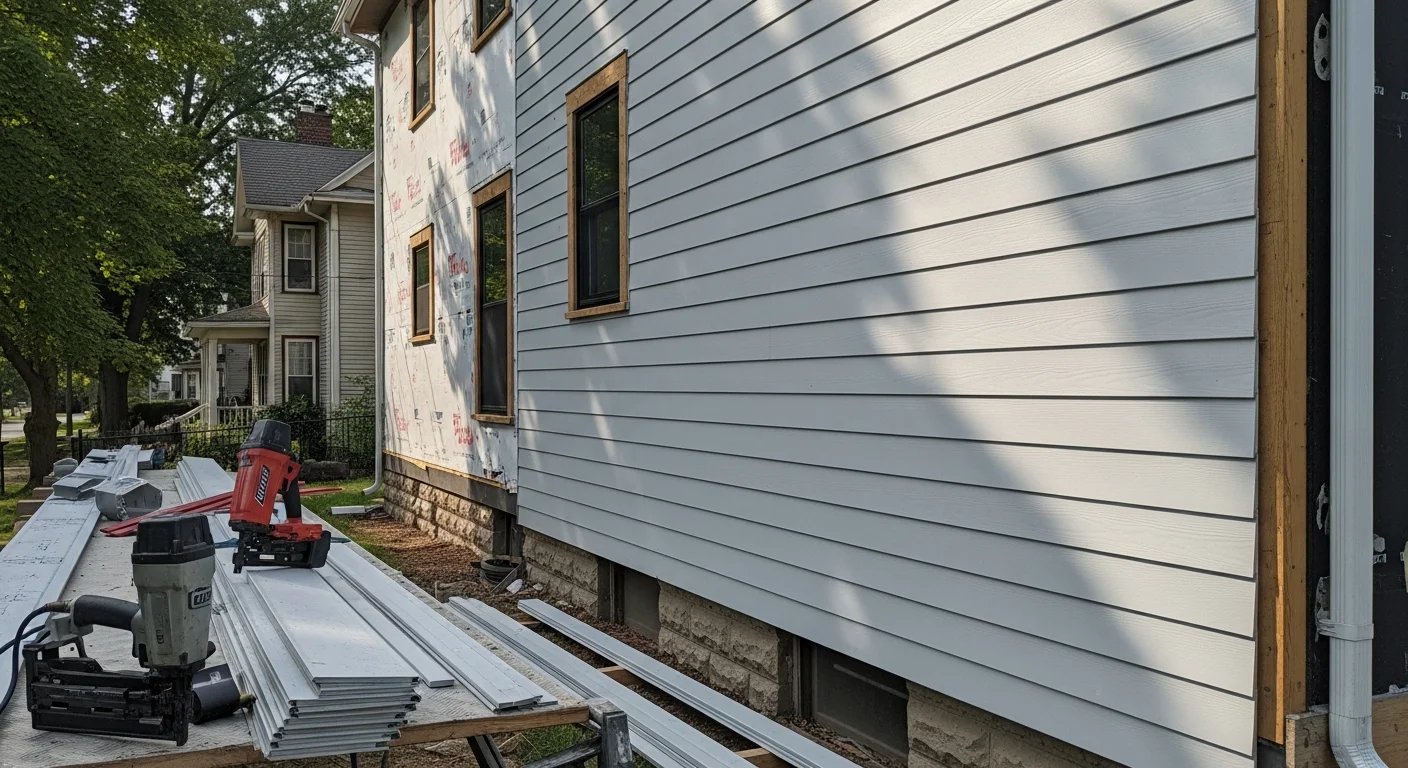
Good siding performs only as well as its installation, so the sequence and checkpoints matter as much as the product. Here is how a quality job generally comes together, with a quality check at each stage.
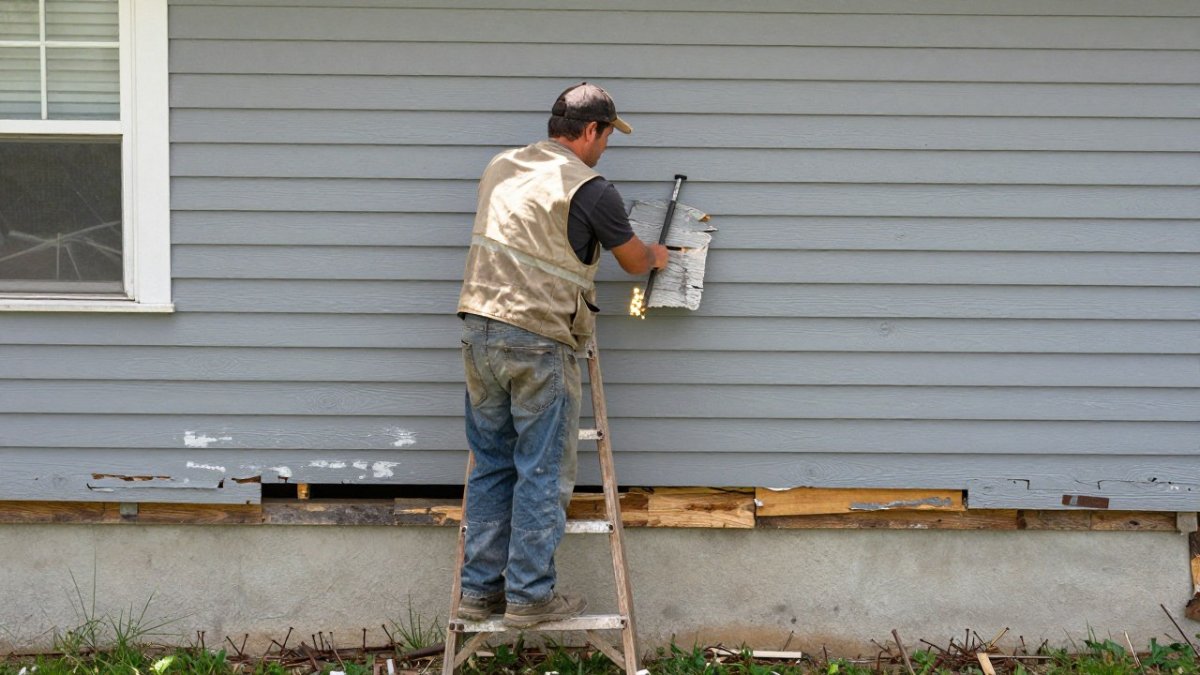
- Inspect and prep the wall. Remove old siding and check sheathing for rot, moisture, and damage. Quality check: probe soft spots and confirm the sheathing is sound and dry before any new layer goes on.
- Install the weather barrier. A house wrap keeps bulk water out and lets vapor escape. Quality check: overlaps run in the direction that sheds water, and seams are taped per the manufacturer's instructions.
- Add flashing and air sealing. Flash window and door heads, sills, and jambs, and seal gaps around penetrations such as outlets and pipes. Quality check: flashing laps over the weather barrier in shingle fashion so water always drains outward.
- Add insulation where the assembly calls for it. Insulated panels carry their own foam backing; otherwise, wall insulation or a rigid foam layer goes behind the siding. Quality check: no gaps or compressed spots that would reduce R-value.
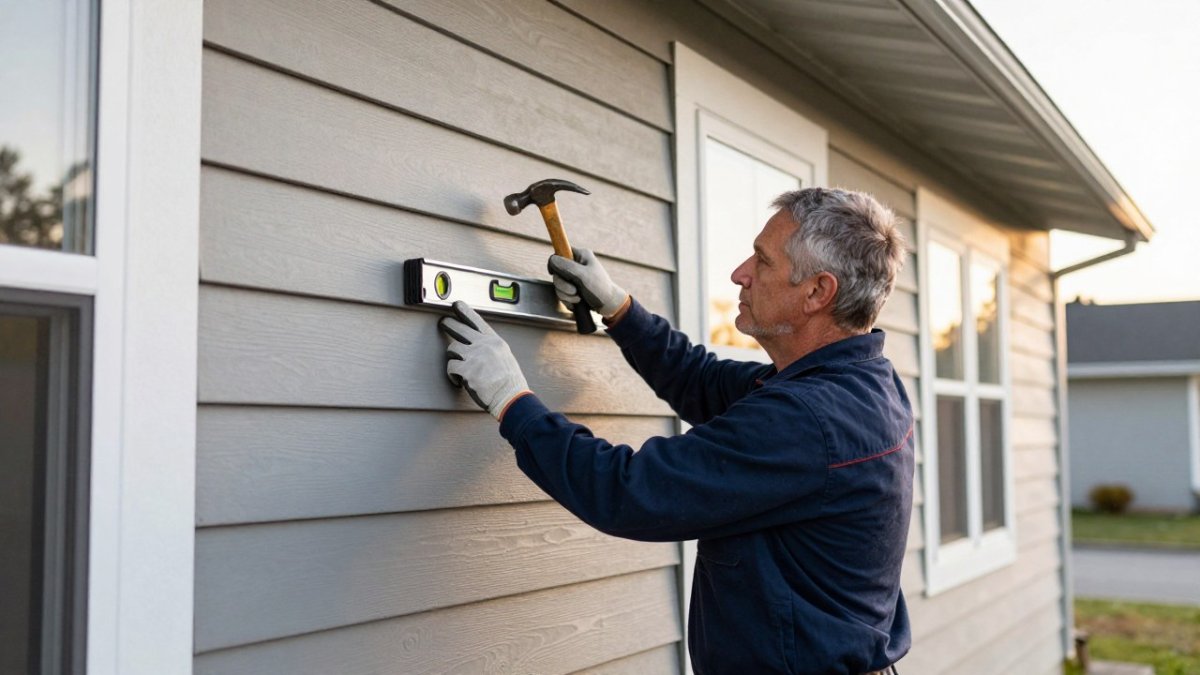
- Fit the panels. Keep courses level, lock panels fully, and leave the specified clearance for expansion at corners and trim. Quality check: fasteners hit framing or sheathing at the manufacturer's specified spacing and are not overdriven.
- Seal and finish. Caulk joints and trim, then check every seam. Quality check: a straight-edge check on long runs and a visual pass for open laps.
- Final inspection. Confirm airtightness at penetrations and clean lines before cleanup. Quality check: a walk-around with the homeowner to confirm drafts are gone at outlets and frames.
Whole-Wall Assembly and Moisture Management
A wall assembly is every layer from the inside out: drywall, framing, insulation, sheathing, weather barrier, and siding. Each layer has a job. The weather barrier handles moisture protection, the flashing directs water out, and the siding handles rain, wind, and sun. The assembly also needs a drainage path so any water that gets behind the siding can escape rather than sit against the sheathing.
Skipping the weather barrier, lapping flashing the wrong way, or trapping moisture behind panels can invite rot and mold. Moisture management matters as much as R-value in most climates.
How to Assess Your Existing Siding and Decide on Replacement
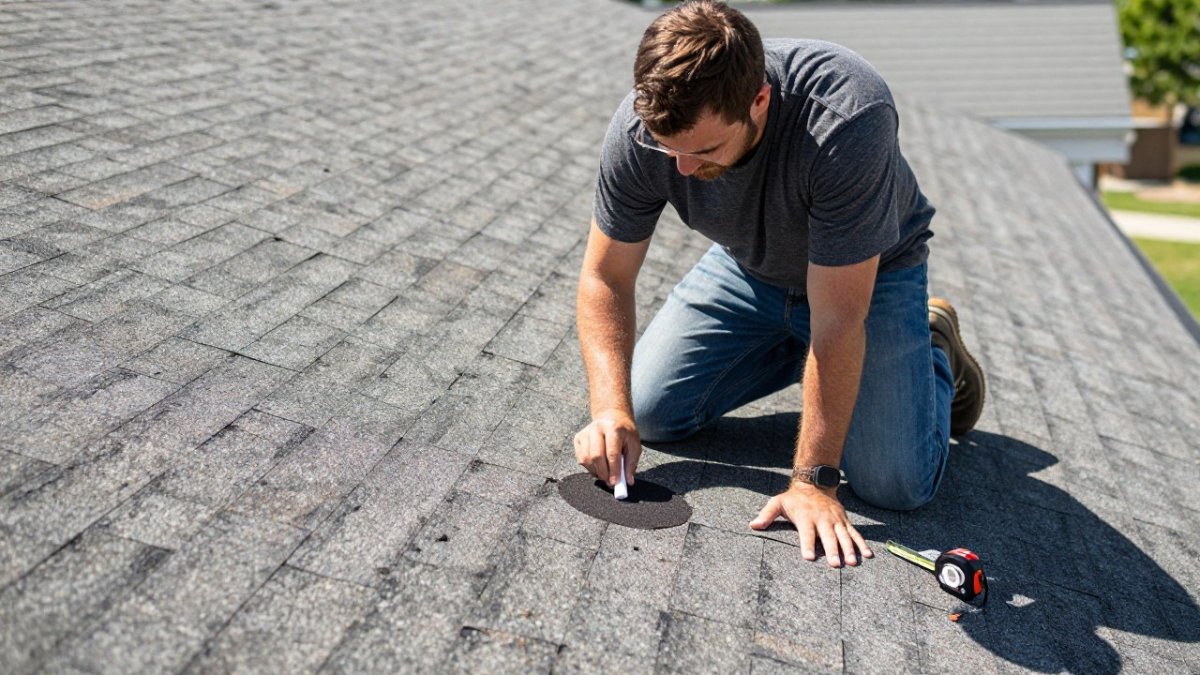
Start with a walk-around. Look for cracking, warping, bubbling paint, soft spots, and gaps at seams. Check inside too, near outlets and baseboards, for drafts or water stains.
Ask three questions:
- Is the damage cosmetic or structural?
- Are your energy bills climbing without a clear reason?
- Is the siding past its expected service life?
If you answer yes to two or more, replacement likely pays off. A professional siding inspection gives you a clear answer without guesswork.
Get a Free Estimate for Energy Efficient Siding Installation
The real test is your own home. If drafts, high bills, and fading siding have you wondering whether an upgrade is worth it, get a straight answer from a team that has been doing this since 1971.
Fraley's Home Improvement offers GAF-certified craftsmanship and free, no-pressure estimates. We'll assess your walls and explain your options. Get started with Fraley's Home Improvement and see how energy efficient siding installation benefits your comfort, your bills, and your curb appeal. Request your free siding estimate today.
Your home's exterior shouldn't be a guessing game. Let our family-rooted team walk your walls, answer your questions, and give you a transparent plan you can trust.
Frequently Asked Questions
Does new siding qualify for tax credits?
Insulated siding may qualify for federal energy efficiency tax credits if it meets specific thermal performance requirements. Homeowners should save receipts and manufacturer certification statements. Consult a tax professional to confirm eligibility, as requirements change and vary by product.
Is insulated siding worth the extra cost?
Insulated siding may help with heating and cooling costs, drafts, and indoor comfort, depending on your home. A professional assessment can help determine whether your home's walls would benefit.
How does new siding improve a home's energy efficiency?
Energy efficient siding can add insulation to exterior walls, which may reduce heat transfer. Proper sealing and weather barriers can help limit air leakage and drafts.
What should homeowners check before installing energy-efficient siding?
Before installation, inspect existing siding for damage, moisture, or rot, and address any underlying issues. Verify any contractor's licensing, insurance, and experience with insulated products. Ask about R-value, warranty terms, and proper flashing and sealing techniques. Confirm whether the project qualifies for an energy-efficient siding tax credit and get a written estimate with a clear scope of work.